
Critical thinking is a habit: before you believe something, you ask how you know. That is it. It helps with ads, videos, group chats, homework and puzzles, and you can practice it with a pencil. Here are four of our new free sheets, and one puzzle solved step by step.
1. Ten questions for any claim
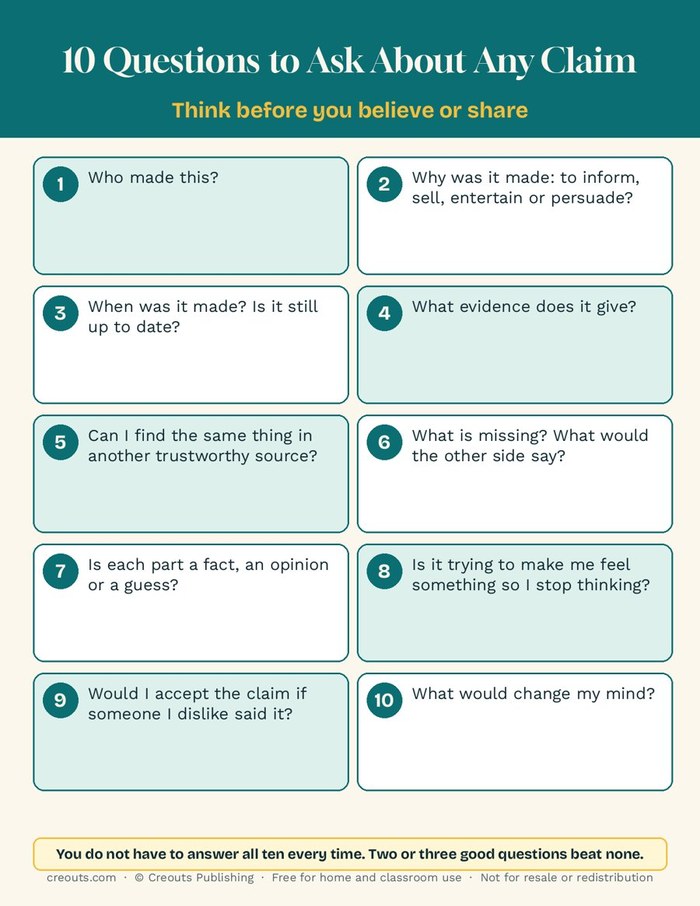
Three favorites: Who made this? What is the evidence? and What would change my mind? The last one is the hardest and the most honest.
2. Fact or opinion?
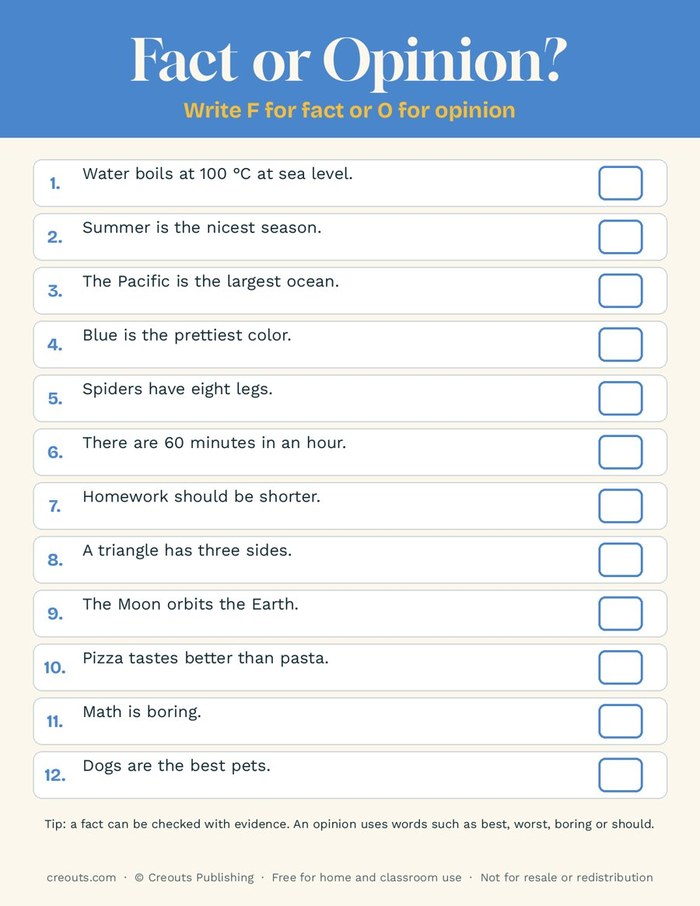
A fact can be checked, with a ruler, a clock, a book or an expert. An opinion is what someone thinks or feels, and it often uses words such as best, worst, boring or should. "A triangle has three sides" is a fact. "Math is boring" is an opinion. The worksheet has 12 statements to sort, with an answer page.
3. Eight reasoning mistakes
A fallacy is a reason that sounds convincing but does not really support the claim. Our poster names eight in plain words, with the textbook name in brackets:
- Attack the person (ad hominem): "Don't listen to Sam's idea. He is always late."
- Only two choices (false dilemma): "Either we play soccer or we do nothing at all."
- Everybody does it (bandwagon): "Everyone is buying this game, so it must be the best."
- Lucky socks (false cause): "I wore red socks and we won, so the socks made us win."
Remember: spotting a fallacy does not prove the claim false. It only means that this reason does not support it. The practice sheet has eight new sayings to match, with answers.
4. A truth-teller puzzle, solved
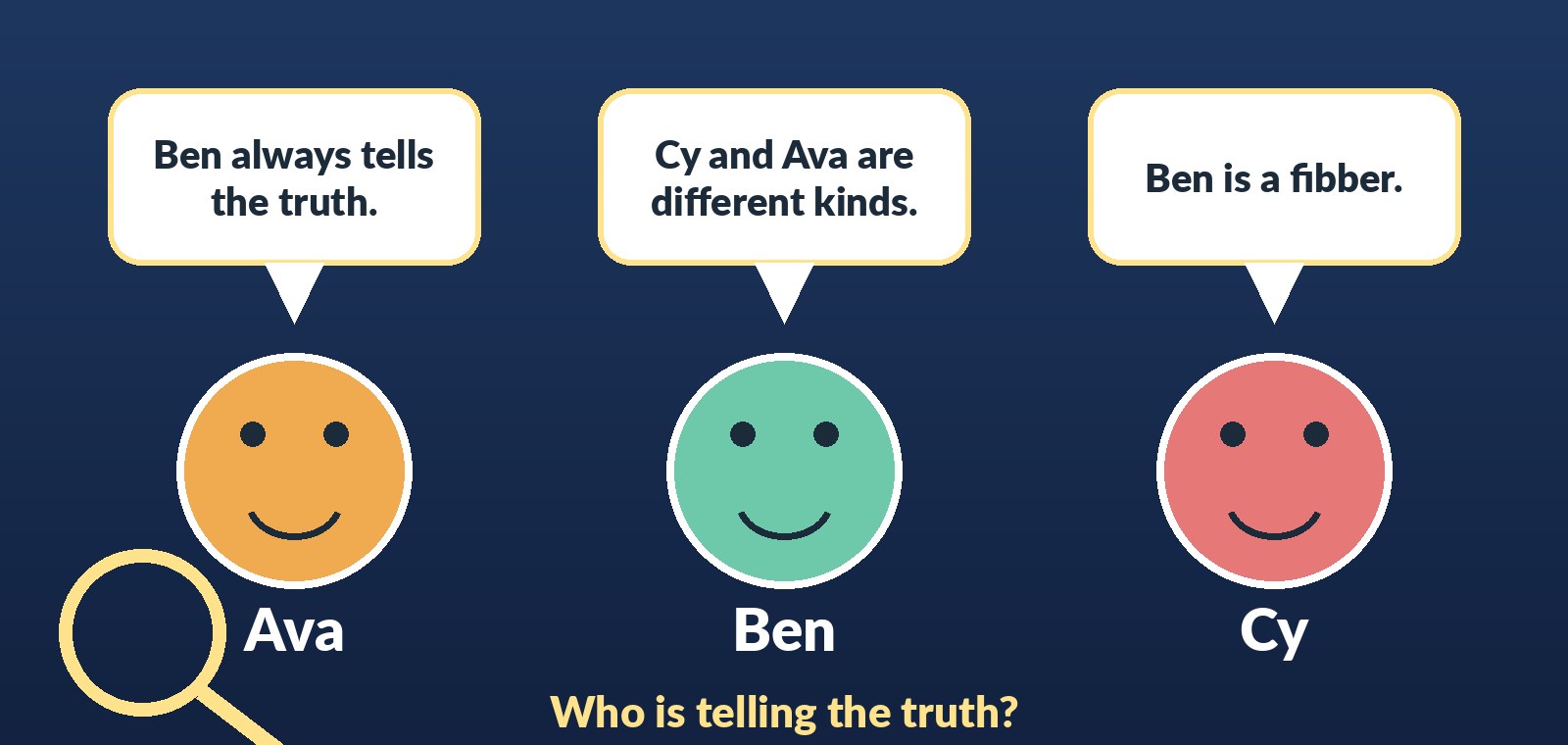
On the island, truth-tellers always tell the truth and fibbers always lie. Three people speak. Ava: "Ben always tells the truth." Ben: "Cy and Ava are different kinds." Cy: "Ben is a fibber." Who is who?
The trick is to pick one person, assume a kind, and follow the consequences. If they lead to a contradiction, that case is out.
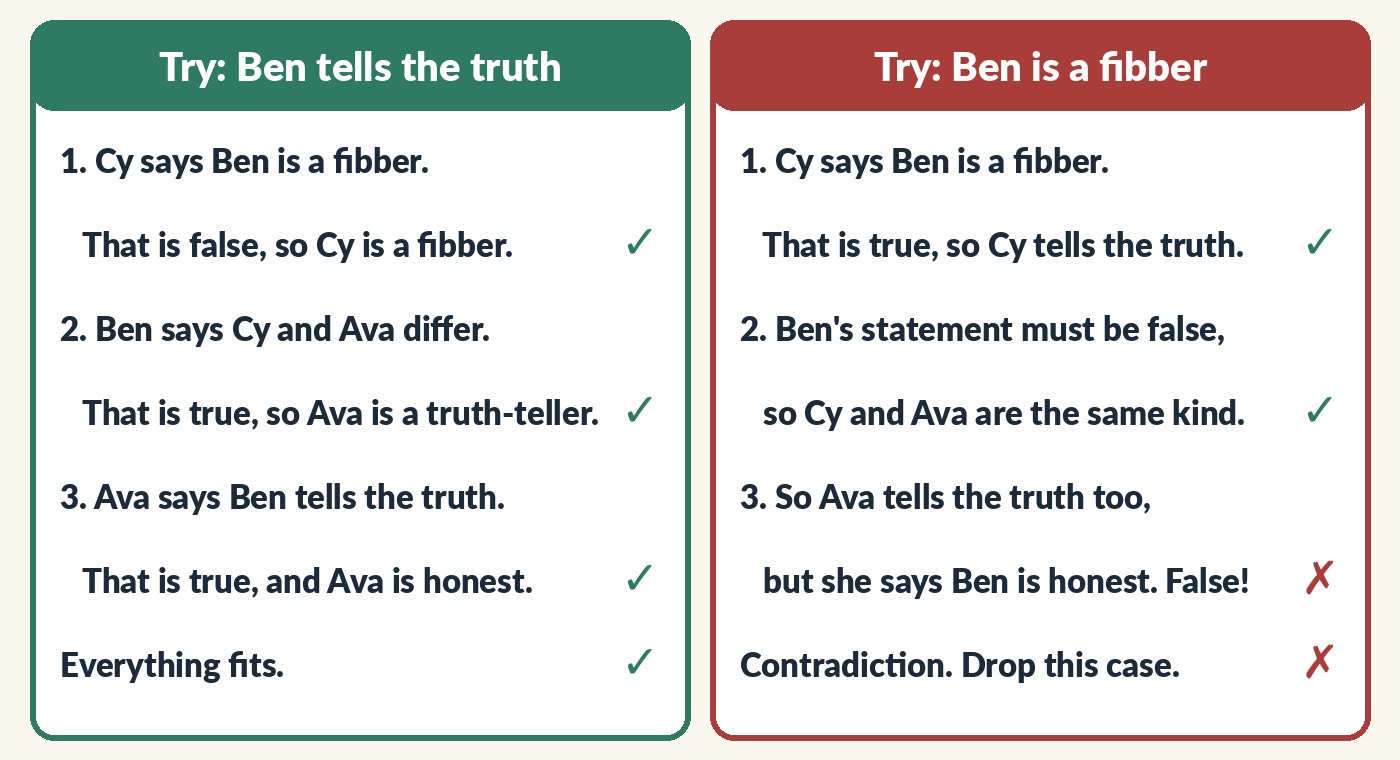
Answer: Ava and Ben tell the truth, and Cy is a fibber. Only one case works, so the puzzle has exactly one solution. The free sheet has four more, with answers.
Games mentioned
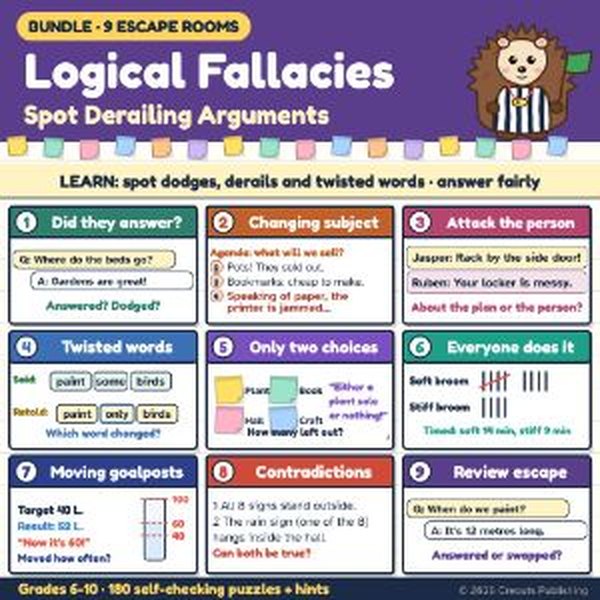
Logical Fallacies Bundle: Derailing Arguments Escape Rooms
Escape-room decks for ages 11 to 15 that train you to spot dodges, twists and false choices.
See it on Boom Learning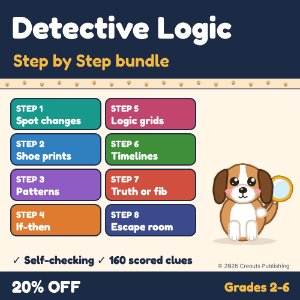
Detective Logic Step by Step Bundle
Eight logic decks for ages 7 to 11, including Truth-Tellers and Fibbers.
See it on Boom LearningDigital download: nothing is shipped.
More field notes
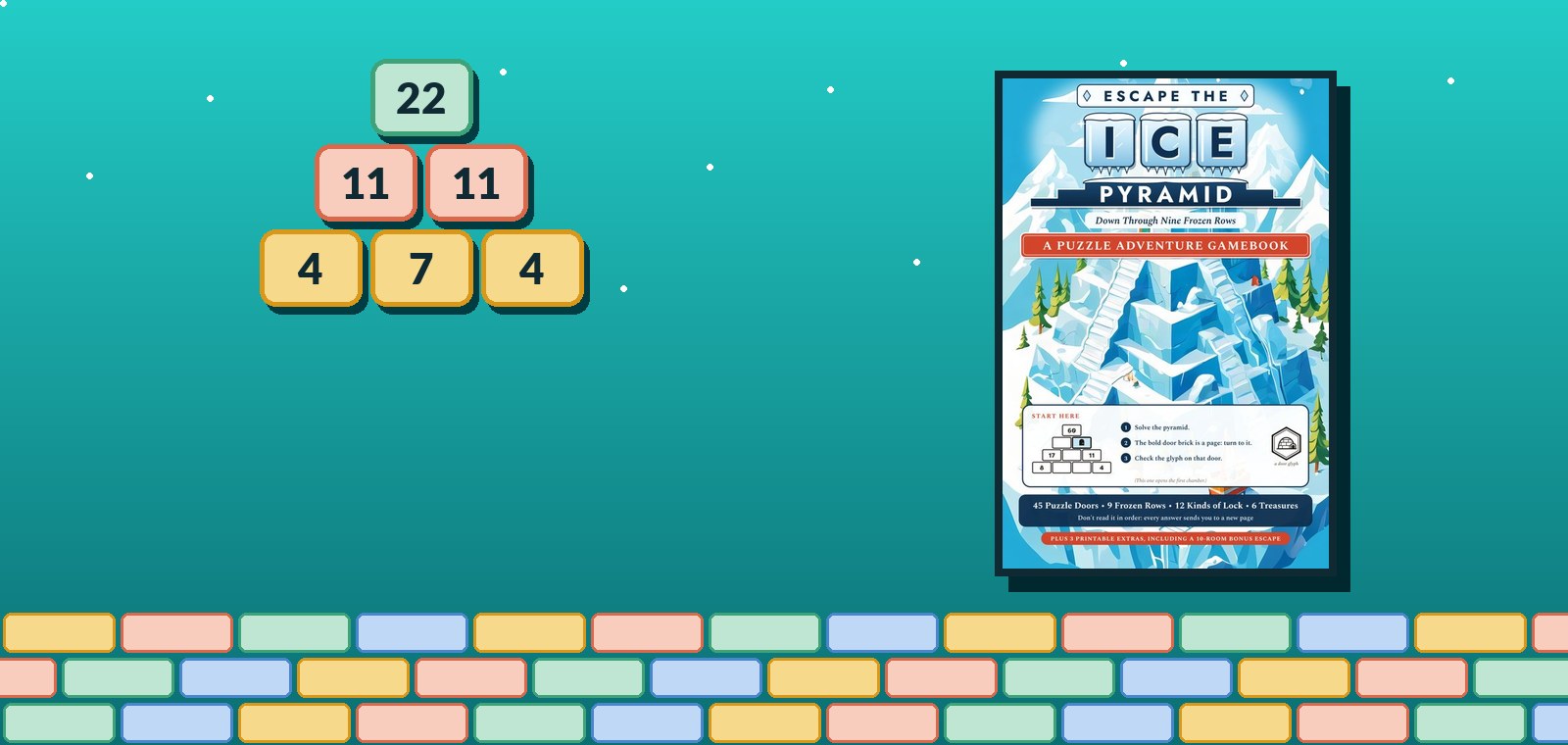
Ice Shards: Rebuild a Shattered Pyramid From Its Pieces
The pyramid has shattered. Fit each shard back into the gaps, the way up it lies, until every brick is the sum of the two below it.
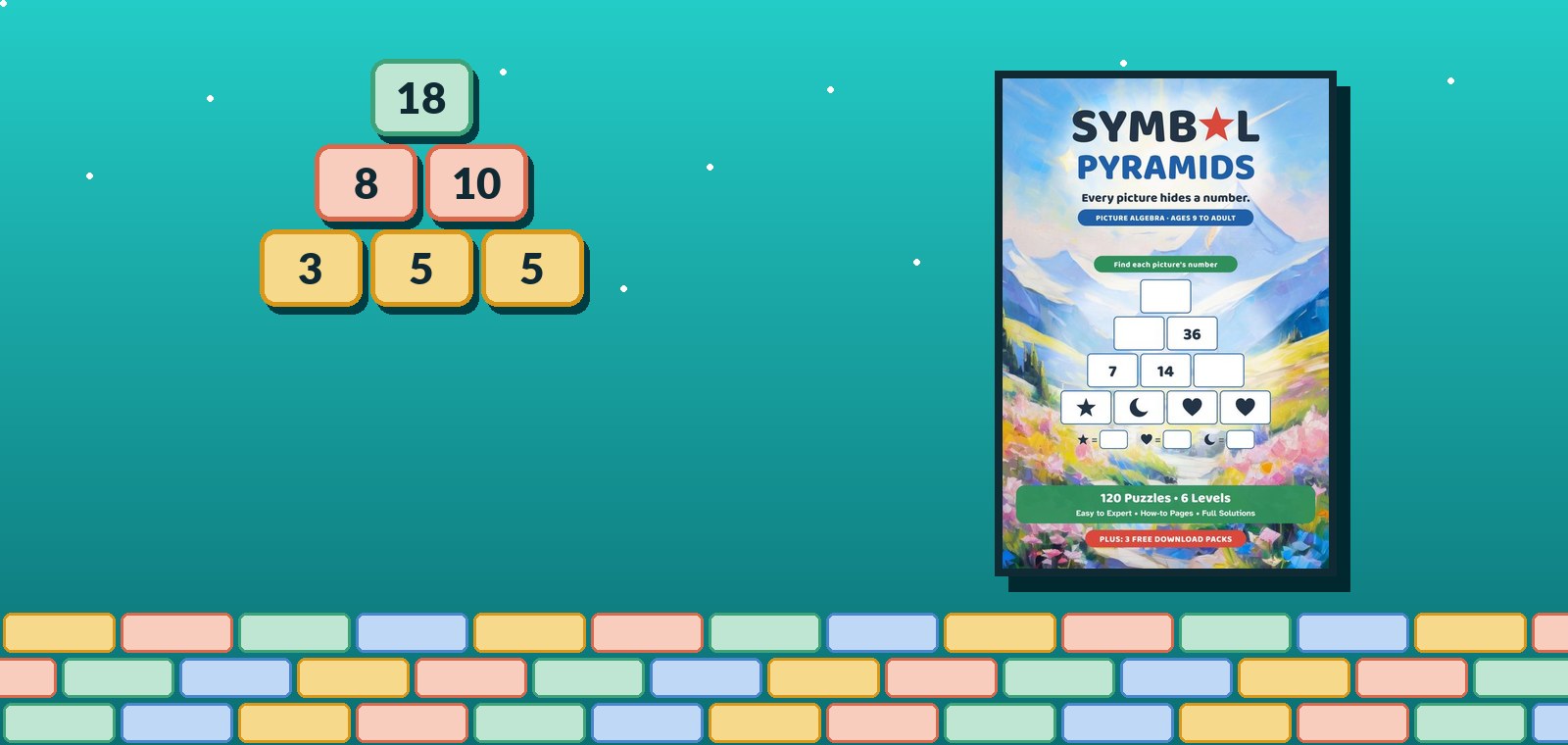
Symbol Pyramids: What Is a Star Worth?
The bottom row is pictures. Every picture hides a number, and the same picture is always the same number. A worked sample, a 20-second video and a pyramid to try yourself, with the one rule you need to read the hidden digits.
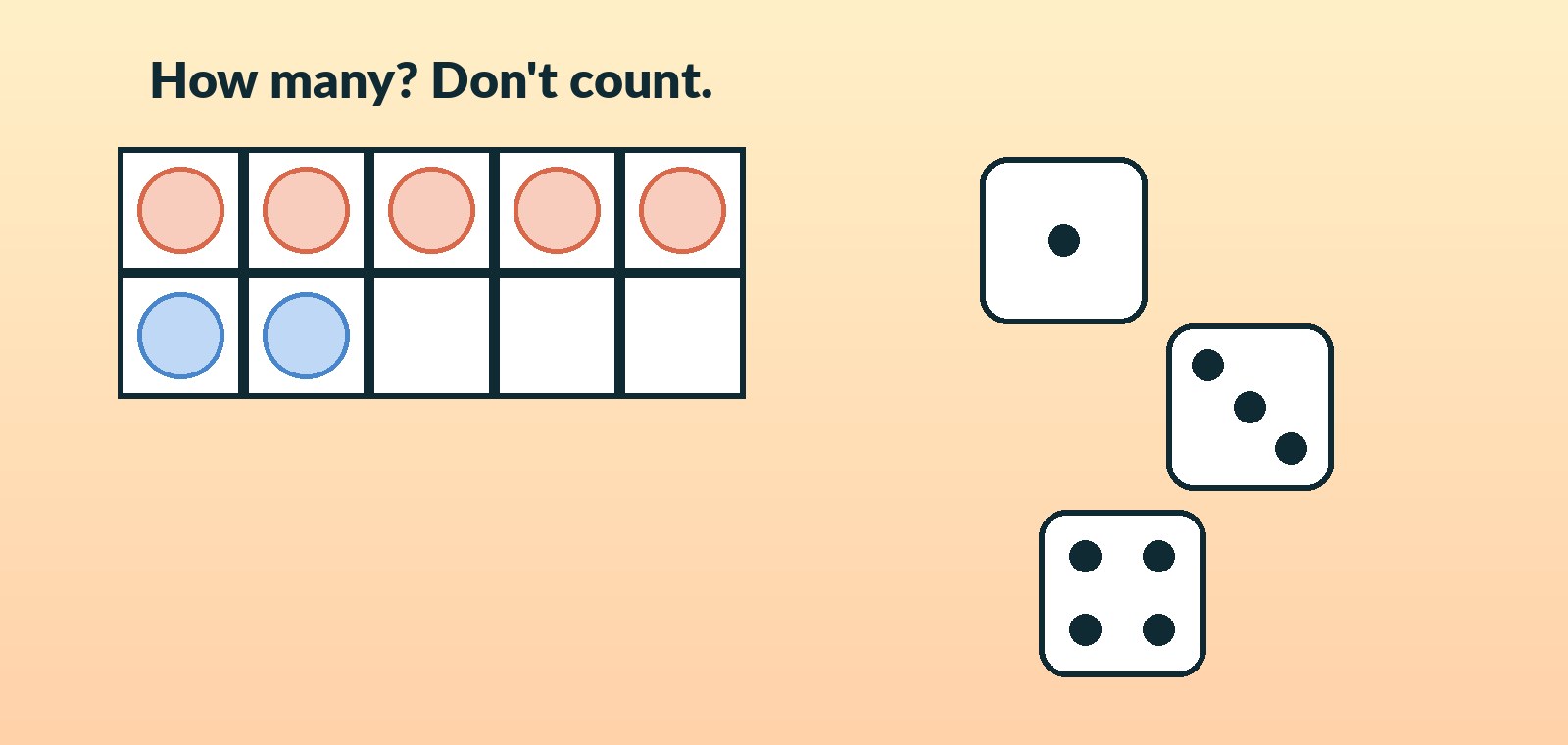
Seeing Numbers Without Counting: Subitizing and Ten-Frames
What 'subitizing' means, what the researchers say about it, and five ten-minute games with dice, dominoes and ten-frames.
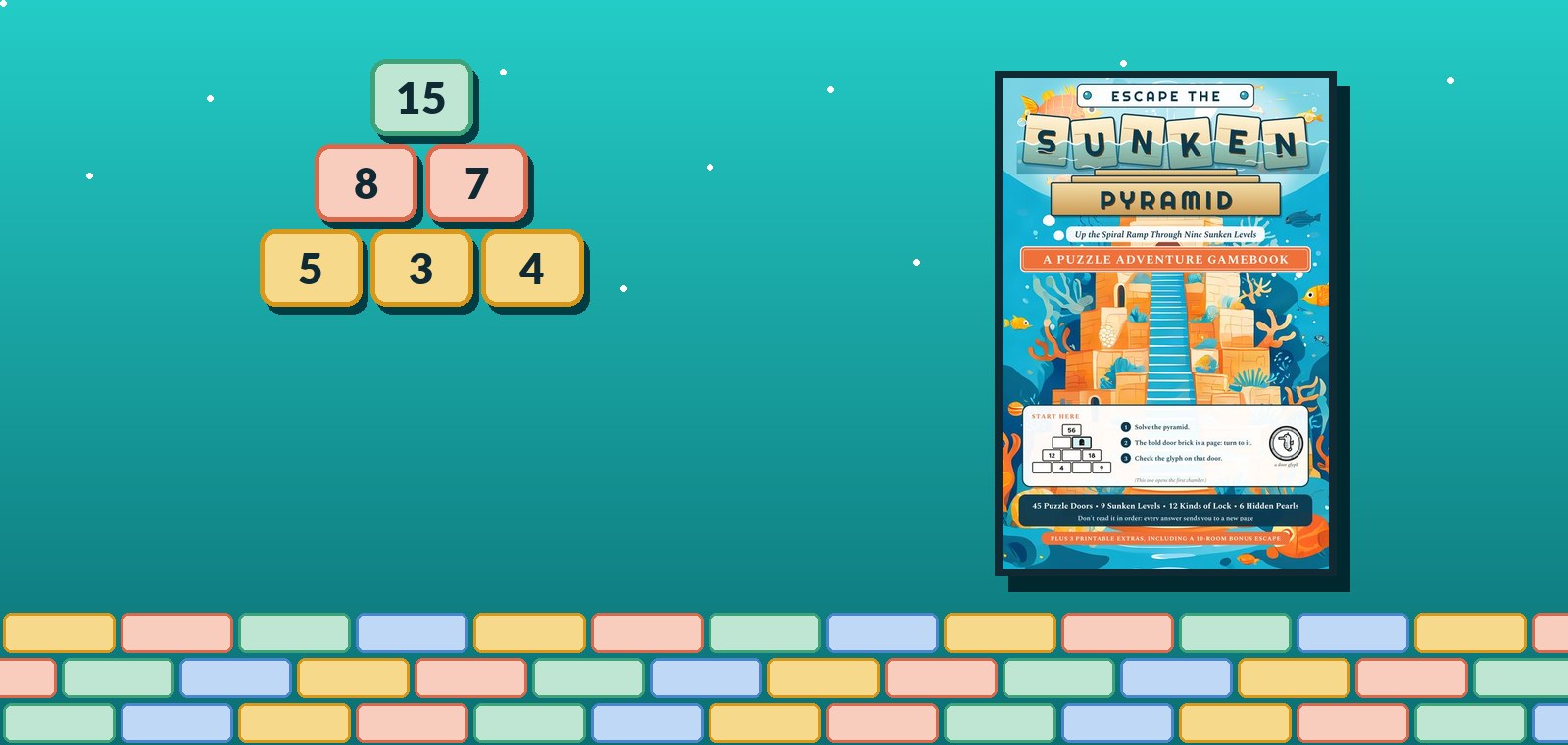
Escape the Sunken Pyramid: The Story and a Look Inside
Escape the Sunken Pyramid: the story, how a chamber plays and a look at a real page.
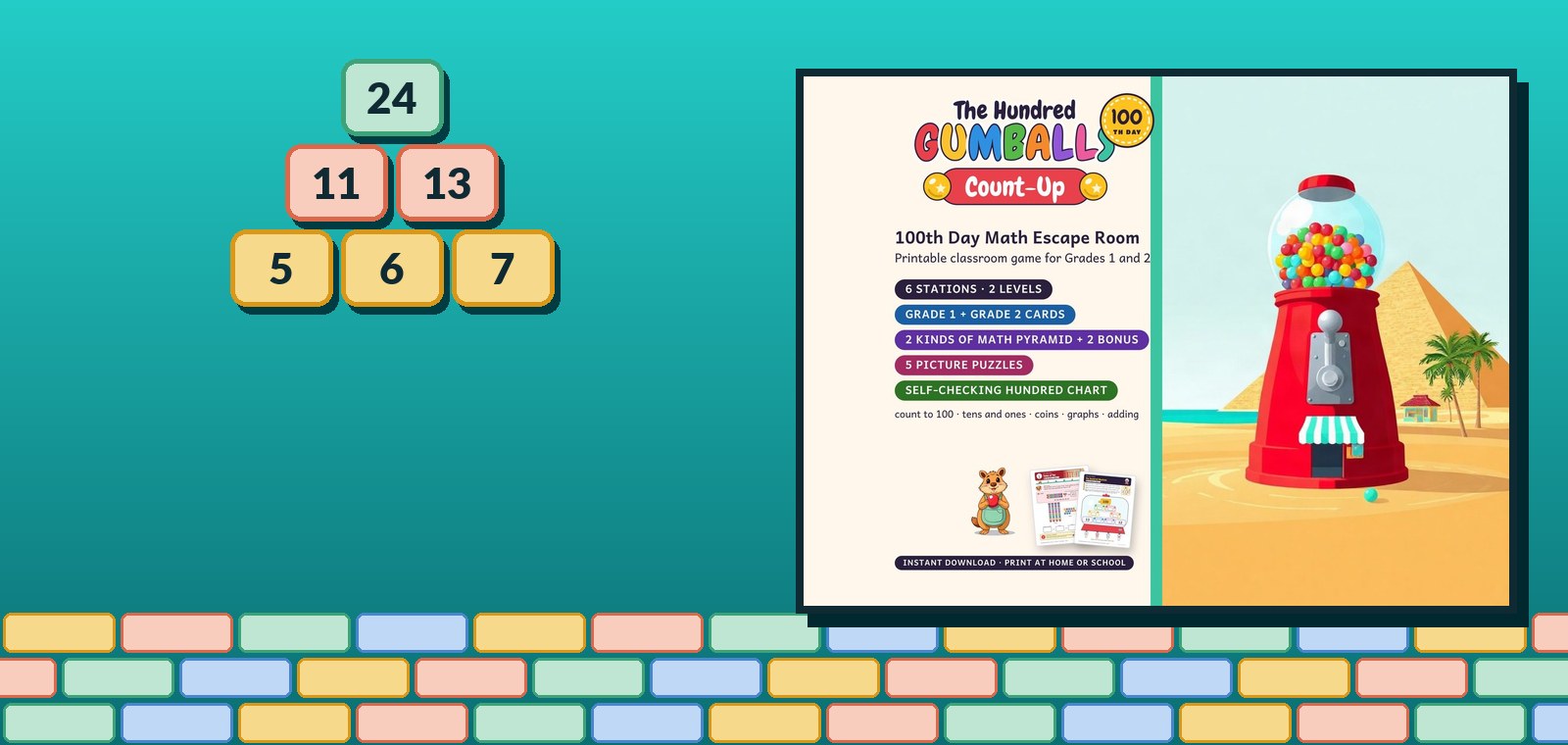
The Hundred Gumballs Count-Up: What It Can Do for Players
The Hundred Gumballs Count-Up (Grades 1 and 2): what is in it, what players can get out of it and how to run it.
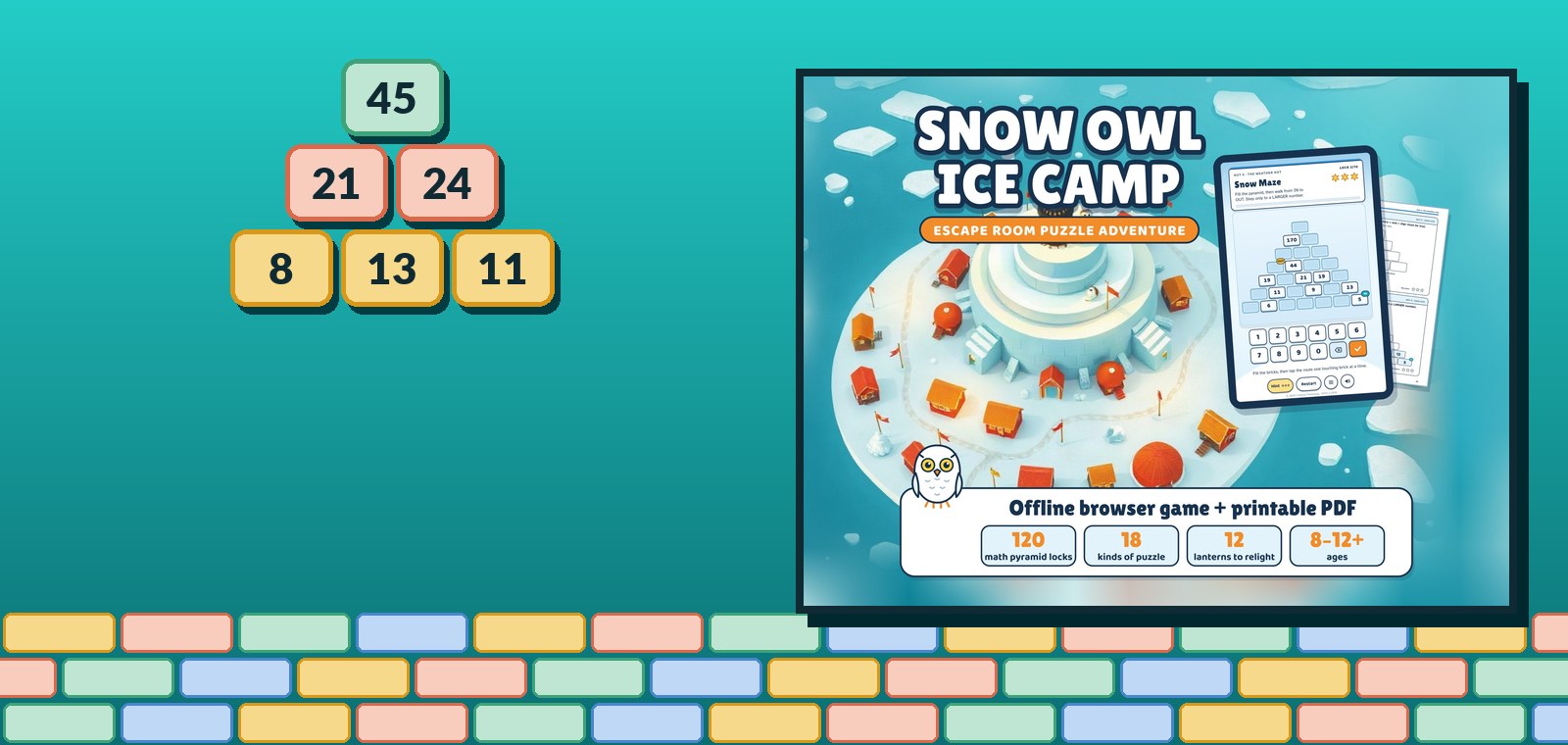
Snow Owl Ice Camp: A Math Game That Opens in Your Browser, Offline
230 number pyramids, twelve huts and twelve lanterns to relight, as an offline browser game plus a printable PDF. How it works, and what it needs.
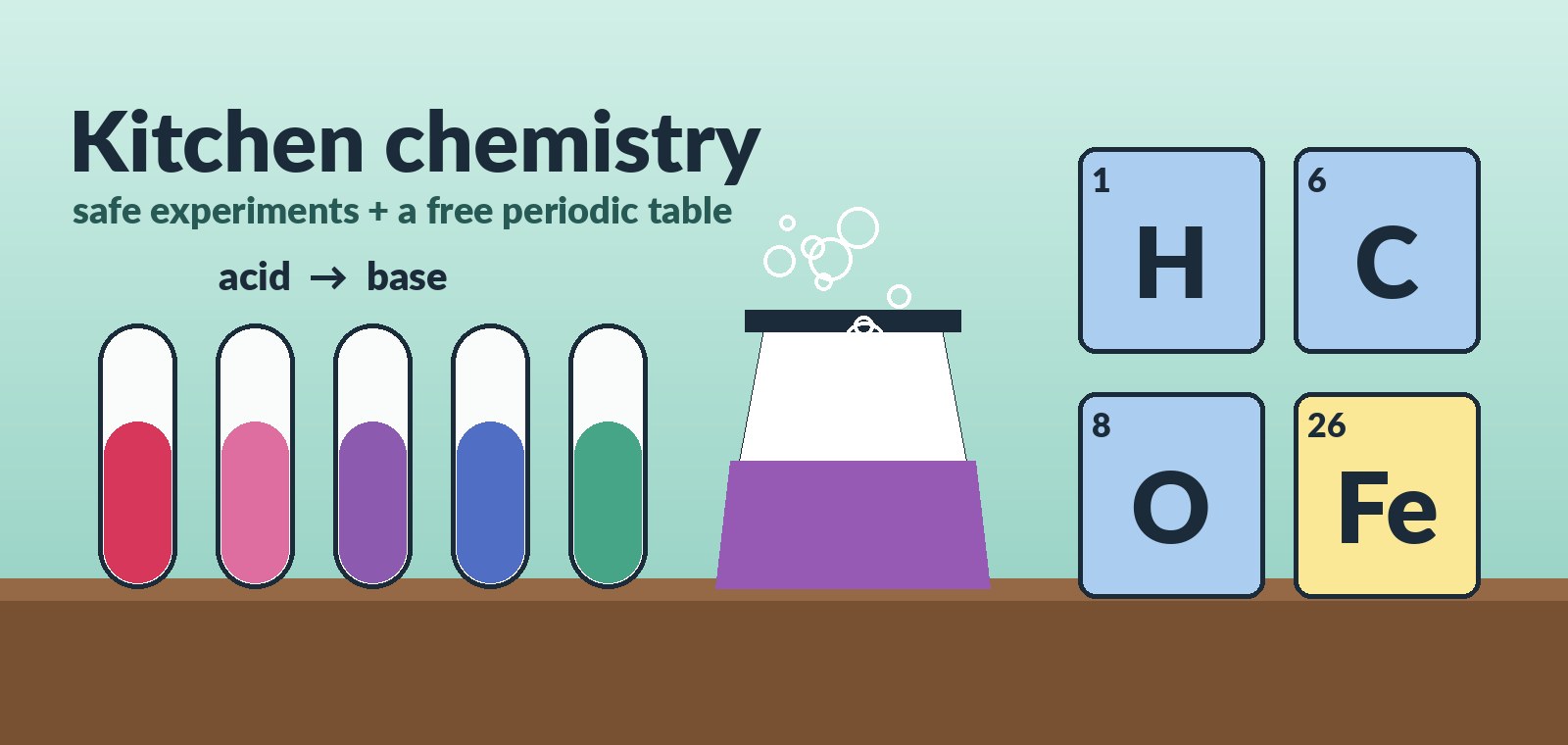
Kitchen Chemistry: A Free Periodic Table and Safe Experiments to Try at Home
A free color periodic table, 12 element spotlights and 12 kitchen experiments with safety notes. We walk through the red cabbage color test step by step.
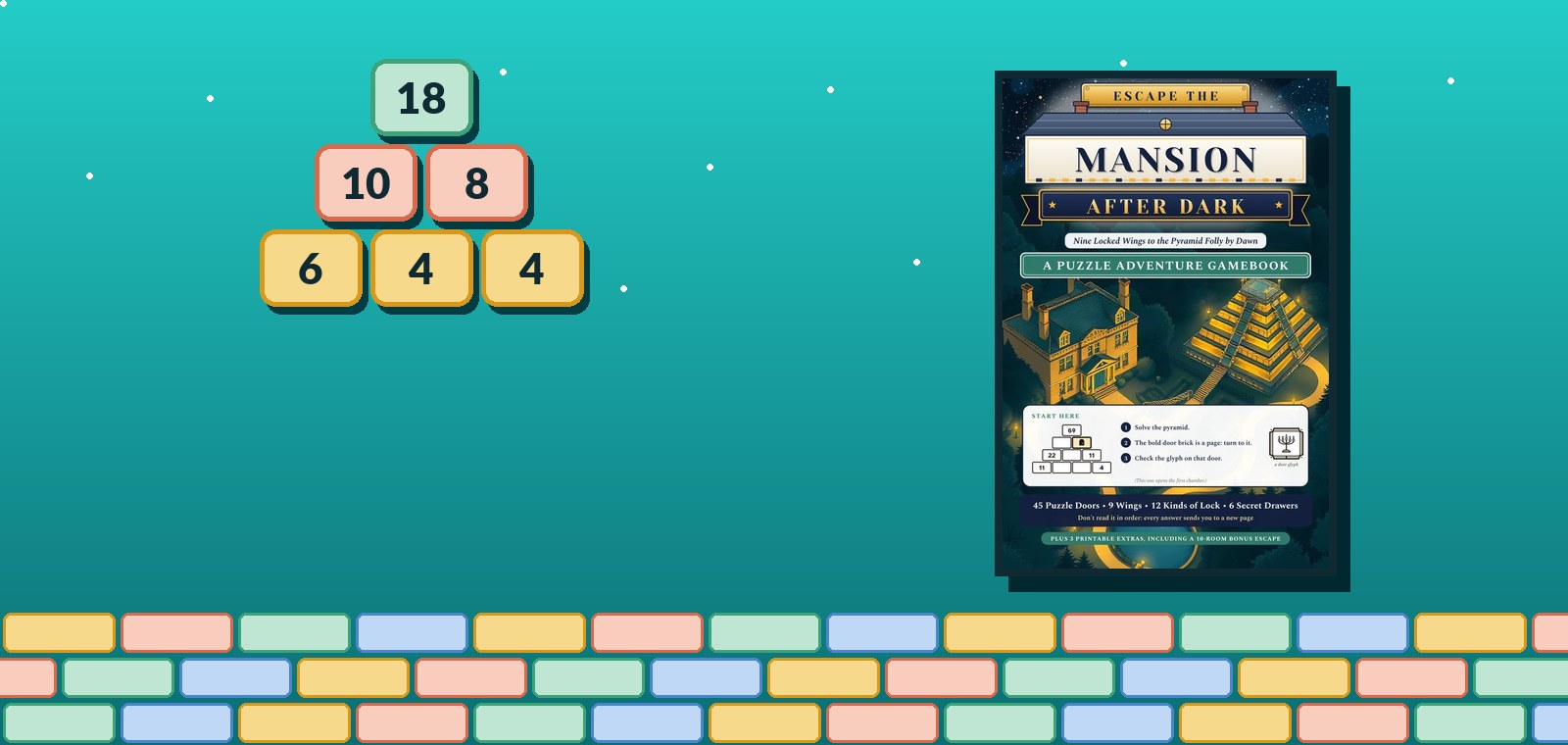
Escape the Mansion After Dark: The Story and a Look Inside
Escape the Mansion After Dark: the story, how a chamber plays and a look at a real page.
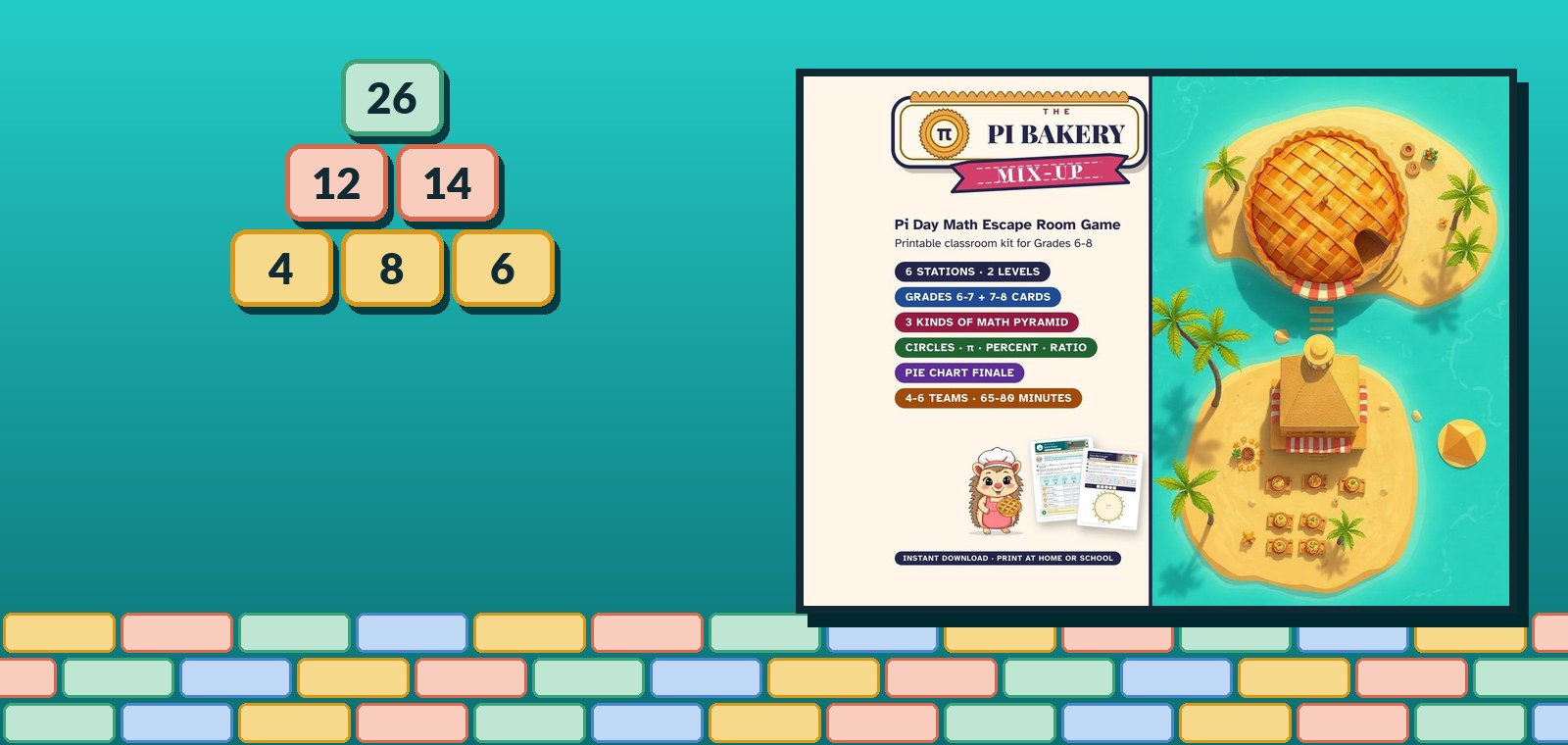
The Pi Bakery Mix-Up: What It Can Do for Players
The Pi Bakery Mix-Up (Grades 6 to 8): what is in it, what players can get out of it and how to run it.
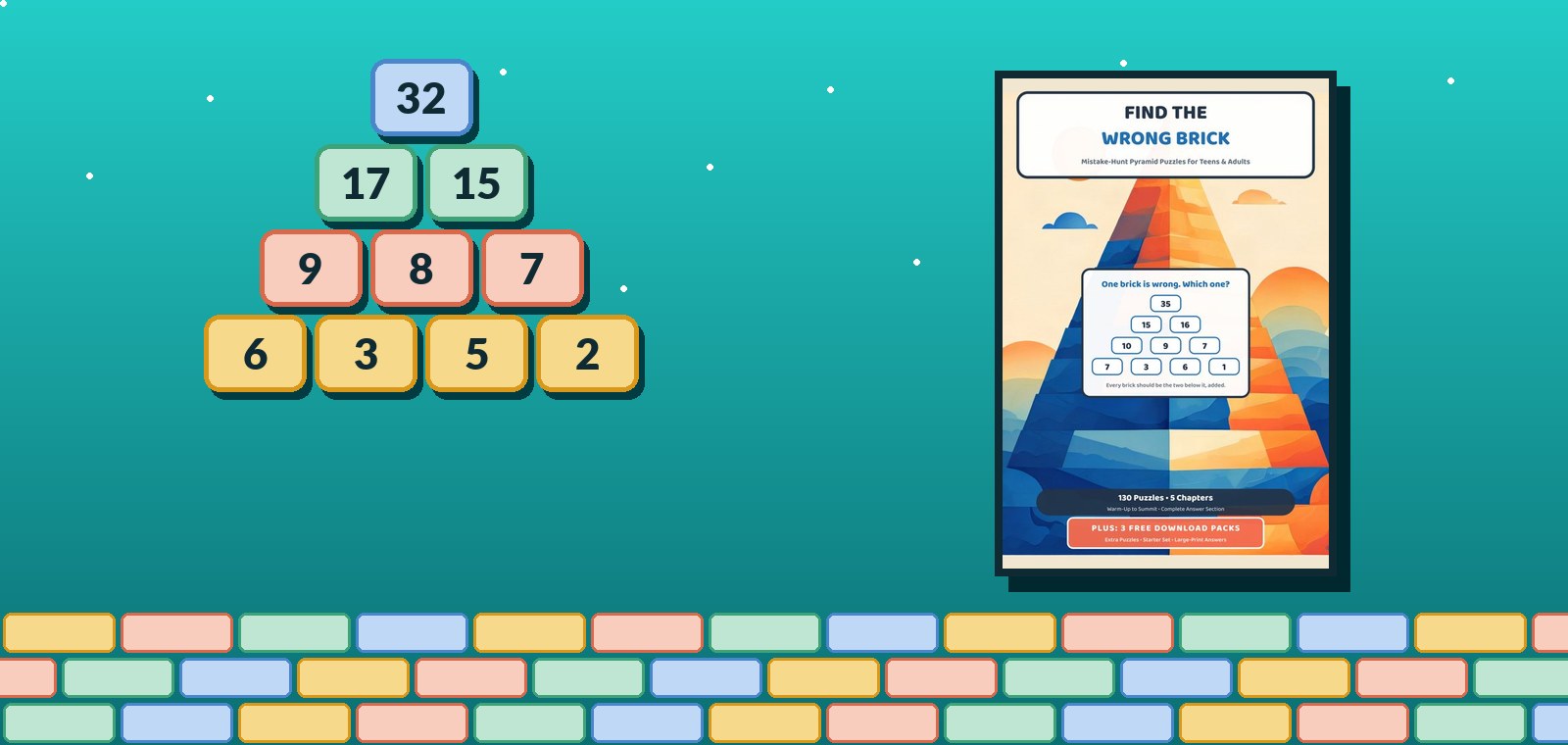
Find the Wrong Brick: Proofread a Math Pyramid
The whole pyramid is printed. One brick is wrong. You proofread it. A worked sample, a 20-second video and a pyramid to try yourself, with the one rule you need to read the hidden digits.
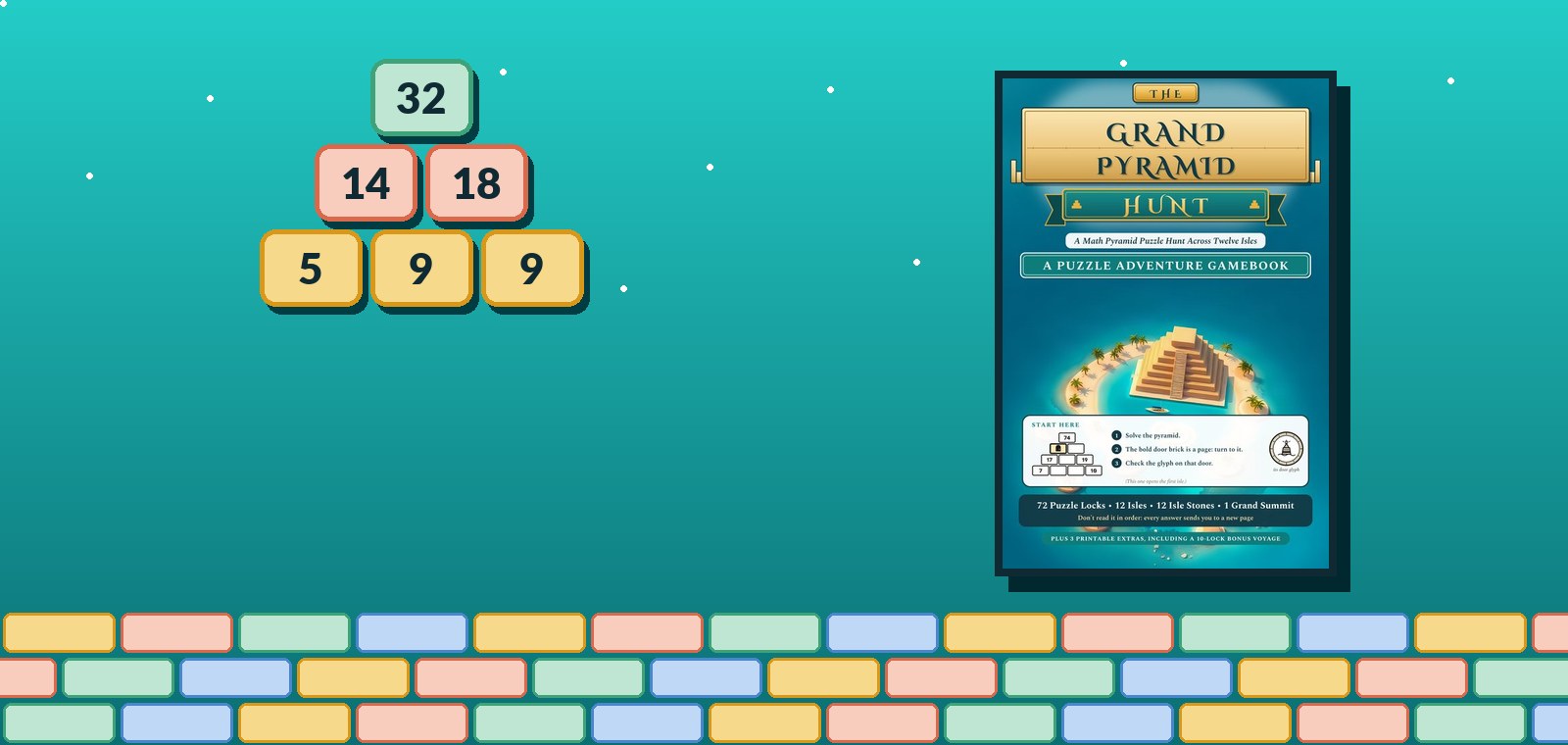
The Grand Pyramid Hunt: The Story and a Look Inside
The Grand Pyramid Hunt: the story, how a chamber plays and a look at a real page.
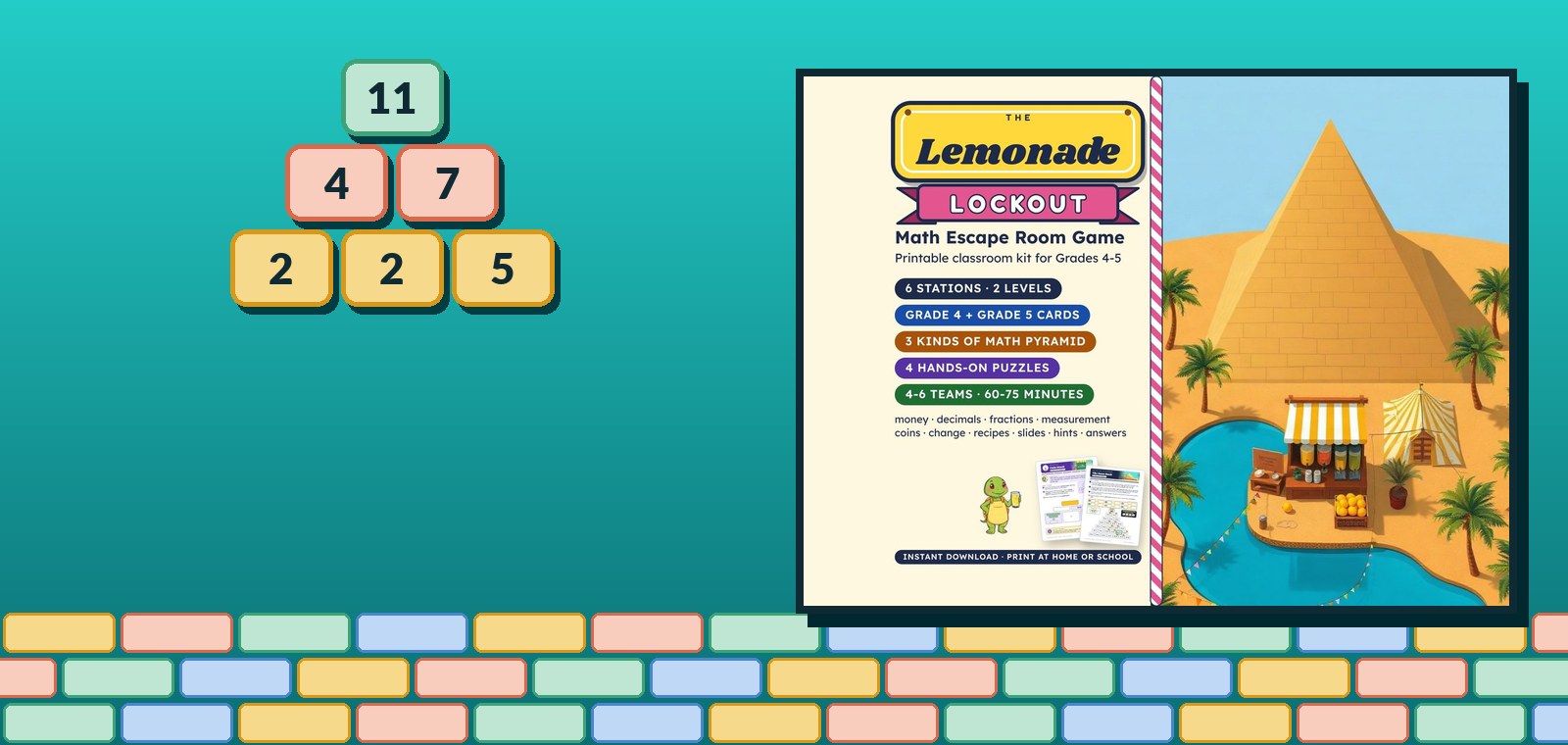
The Lemonade Lockout: What It Can Do for Players
The Lemonade Lockout (Grades 4 and 5): what is in it, what players can get out of it and how to run it.
Creouts Publishing
Puzzle books, printable games and, soon, games you can play here.
As an Amazon Associate we earn from qualifying purchases.
Amazon is a trademark of its owner. Creouts is not affiliated with Amazon.