
Find the Wrong Brick: The whole pyramid is printed. One brick is wrong. You proofread it. This is one of the many kinds of math pyramid we make, and here is how it works, with a video, a worked sample and a pyramid you can try right on this page.
The rule
Every brick should equal the two bricks under it, added. One brick (two, in the hardest chapter) disagrees.
A worked sample
Check every sum
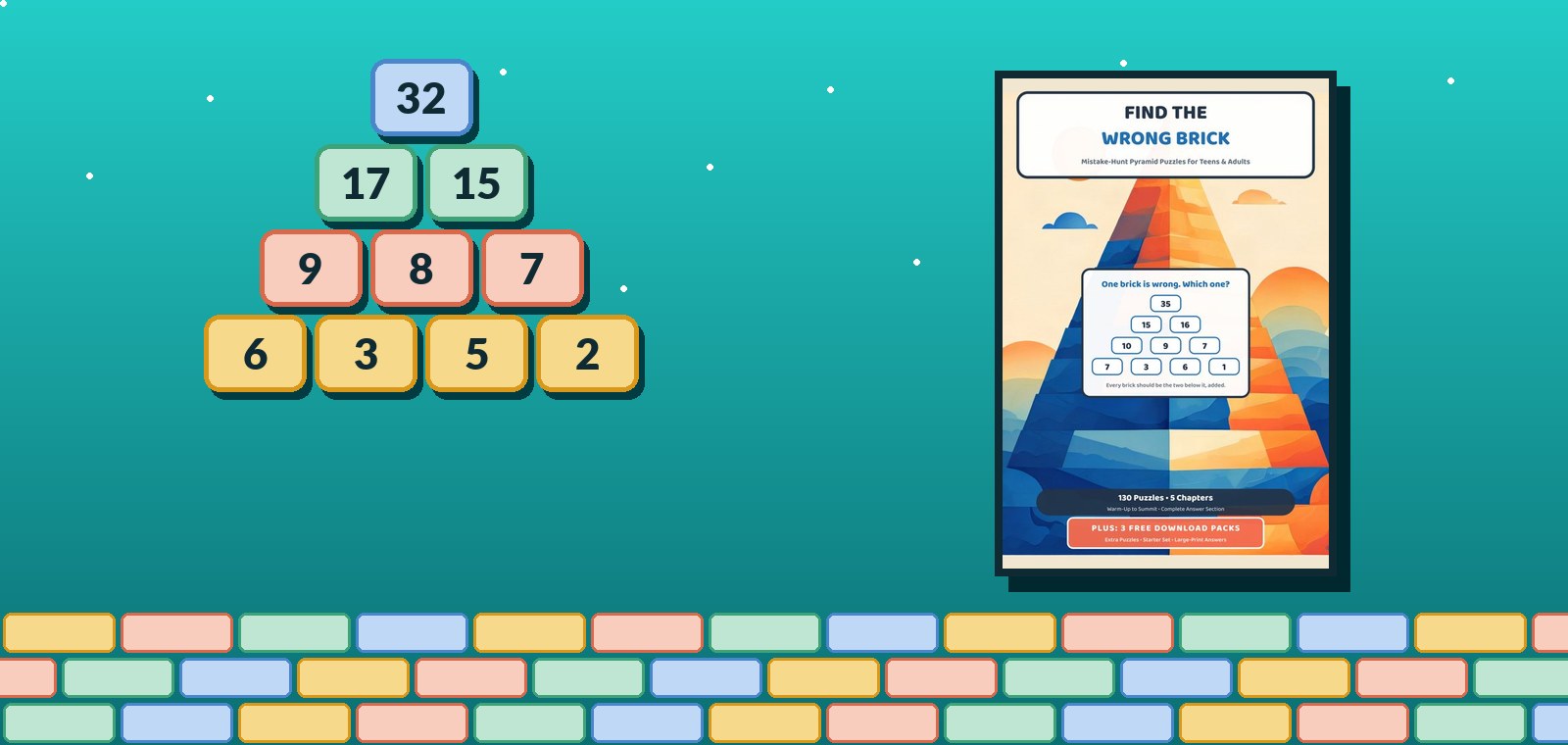
Add the two bricks under each brick and compare. The base is fine: 6 + 3 = 9, 5 + 2 = 7. But 3 + 5 = 8, and the brick above says 9. That sum fails.
Mark the failing sums
The row above fails too: 9 + 9 = 18 but it says 17, and 9 + 7 = 16 but it says 15. Three sums are marked.
Find the shared brick
A brick sits in up to three sums. The wrong brick is the one that every failing sum shares: the middle 9. Change it to 8 and all three sums come right, and the top, 17 + 15 = 32, was always fine.
Your turn
Try it: tap the wrong brick
One brick in this pyramid is wrong. Add the two bricks under each one and tap the culprit.
Why it is worth doing
Proofreading a pyramid turns the usual job around: instead of computing, you check. It is excellent practice for spotting errors in your own sums.
How a page looks in the book
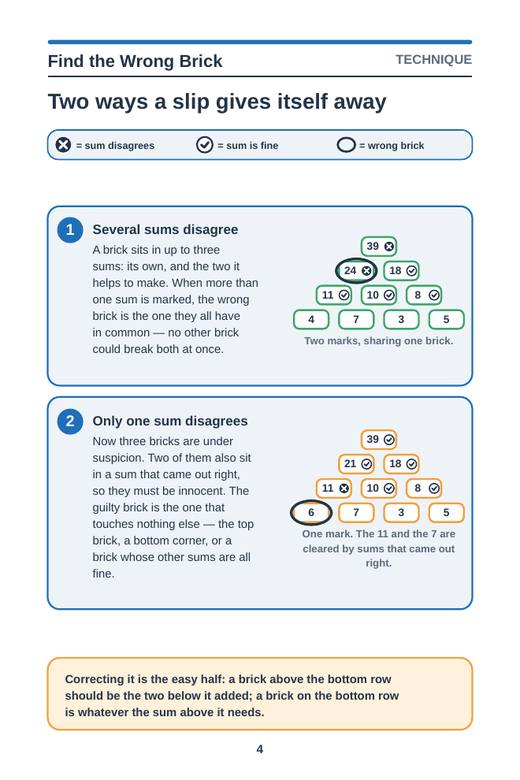
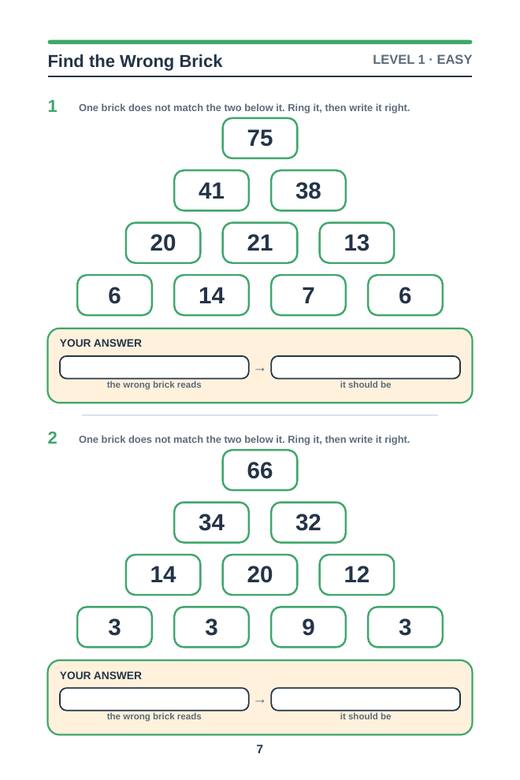
A low-resolution page from Find the Wrong Brick, so you can see the layout. Nothing on it is solved.
Books mentioned
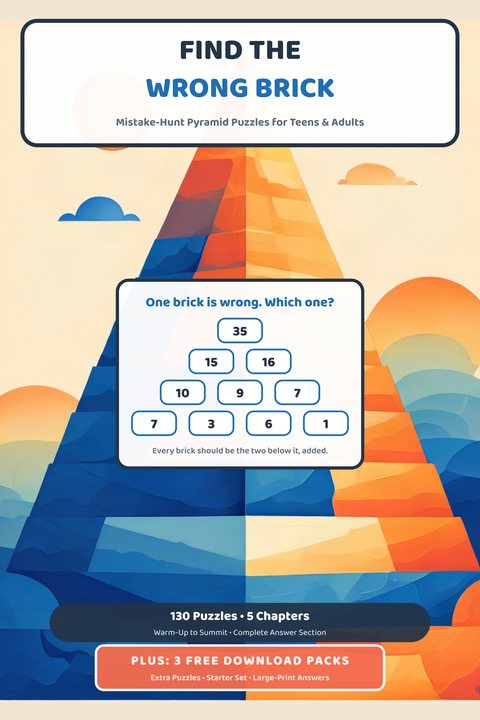
Find the Wrong Brick
A whole book of proofreading puzzles for ages 10 to adult, from one wrong brick to two. Full solutions are in the back.
View on AmazonAs an Amazon Associate we earn from qualifying purchases. Cover images are the ones we have on file; the book you receive may show a slightly different cover.
More field notes
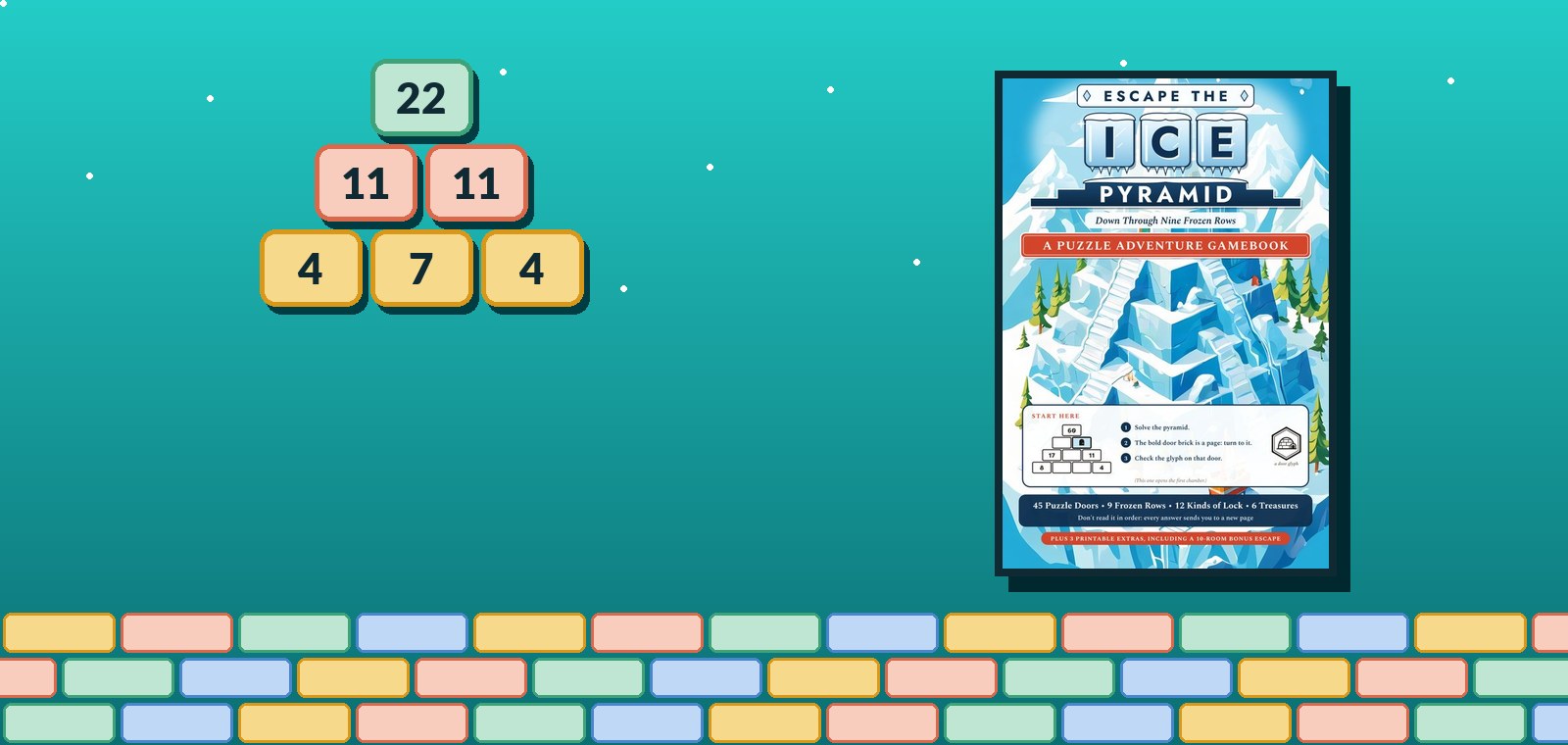
Ice Shards: Rebuild a Shattered Pyramid From Its Pieces
The pyramid has shattered. Fit each shard back into the gaps, the way up it lies, until every brick is the sum of the two below it.
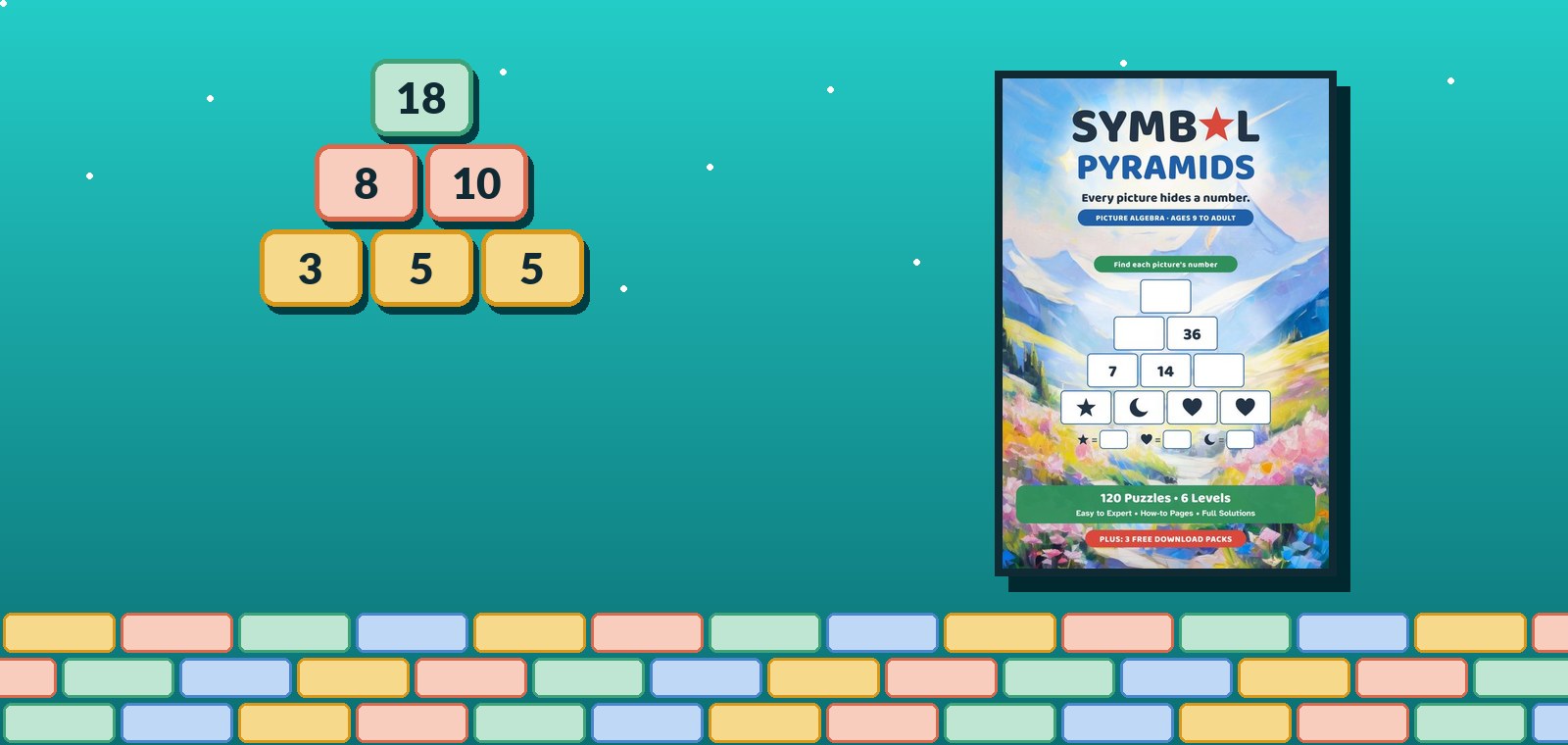
Symbol Pyramids: What Is a Star Worth?
The bottom row is pictures. Every picture hides a number, and the same picture is always the same number. A worked sample, a 20-second video and a pyramid to try yourself, with the one rule you need to read the hidden digits.
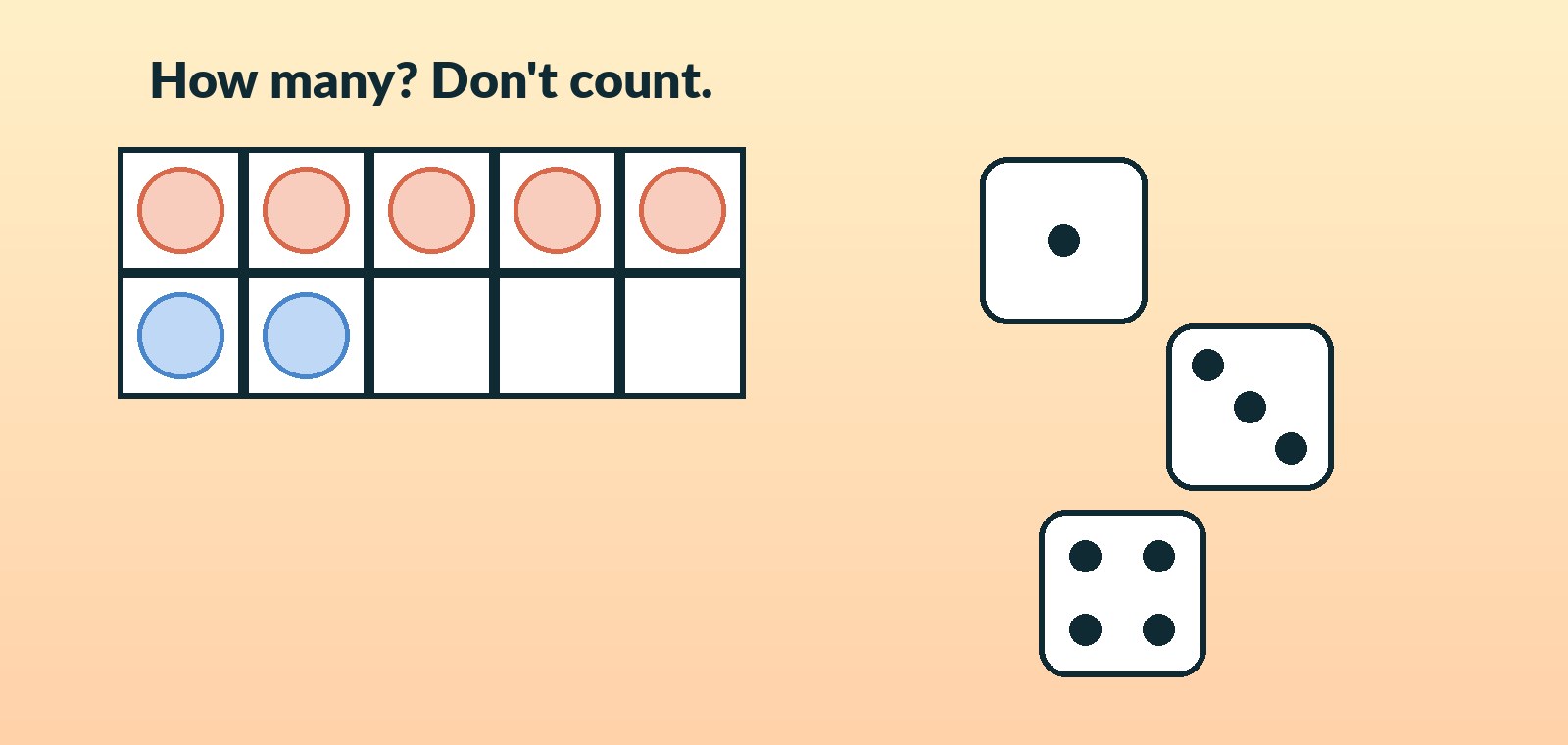
Seeing Numbers Without Counting: Subitizing and Ten-Frames
What 'subitizing' means, what the researchers say about it, and five ten-minute games with dice, dominoes and ten-frames.
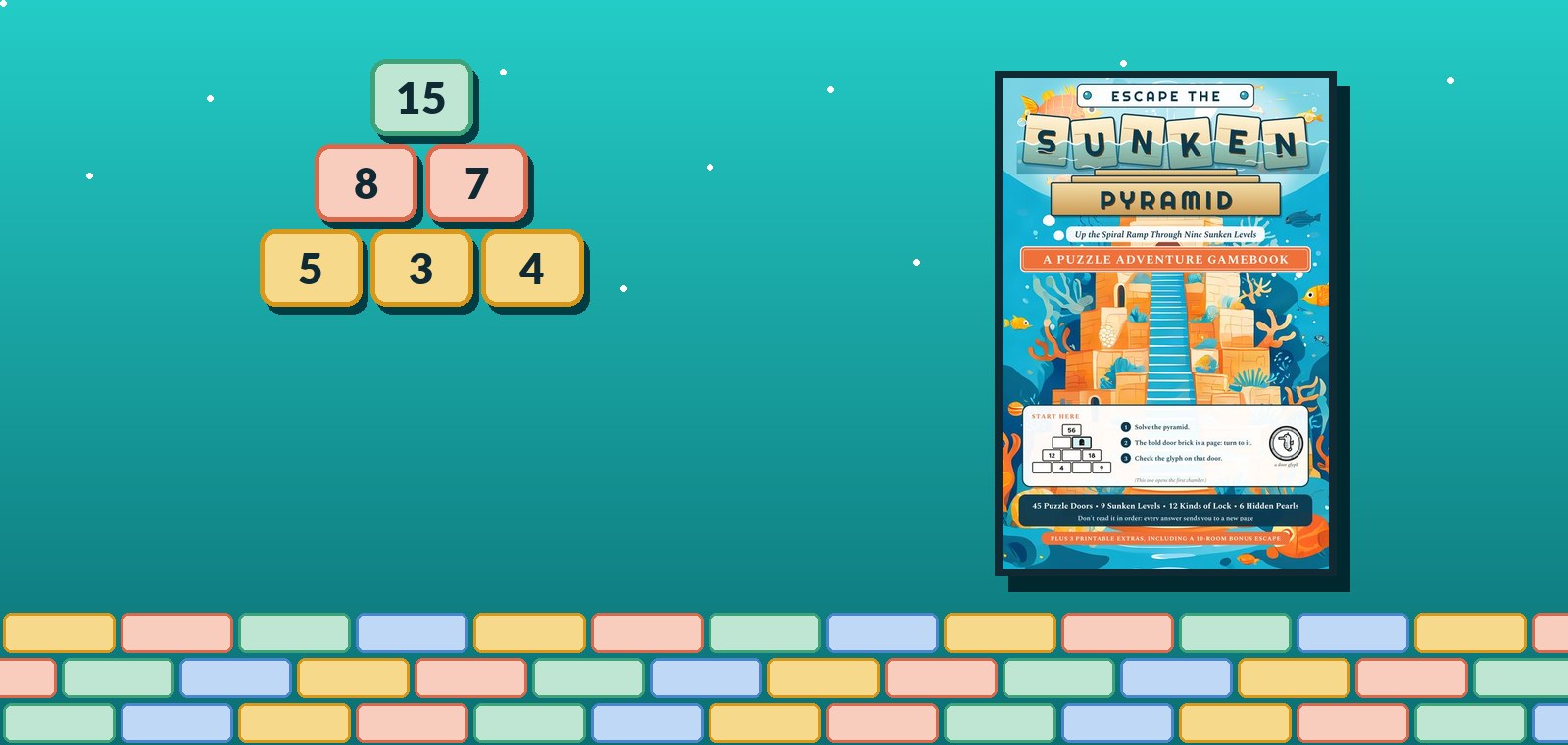
Escape the Sunken Pyramid: The Story and a Look Inside
Escape the Sunken Pyramid: the story, how a chamber plays and a look at a real page.
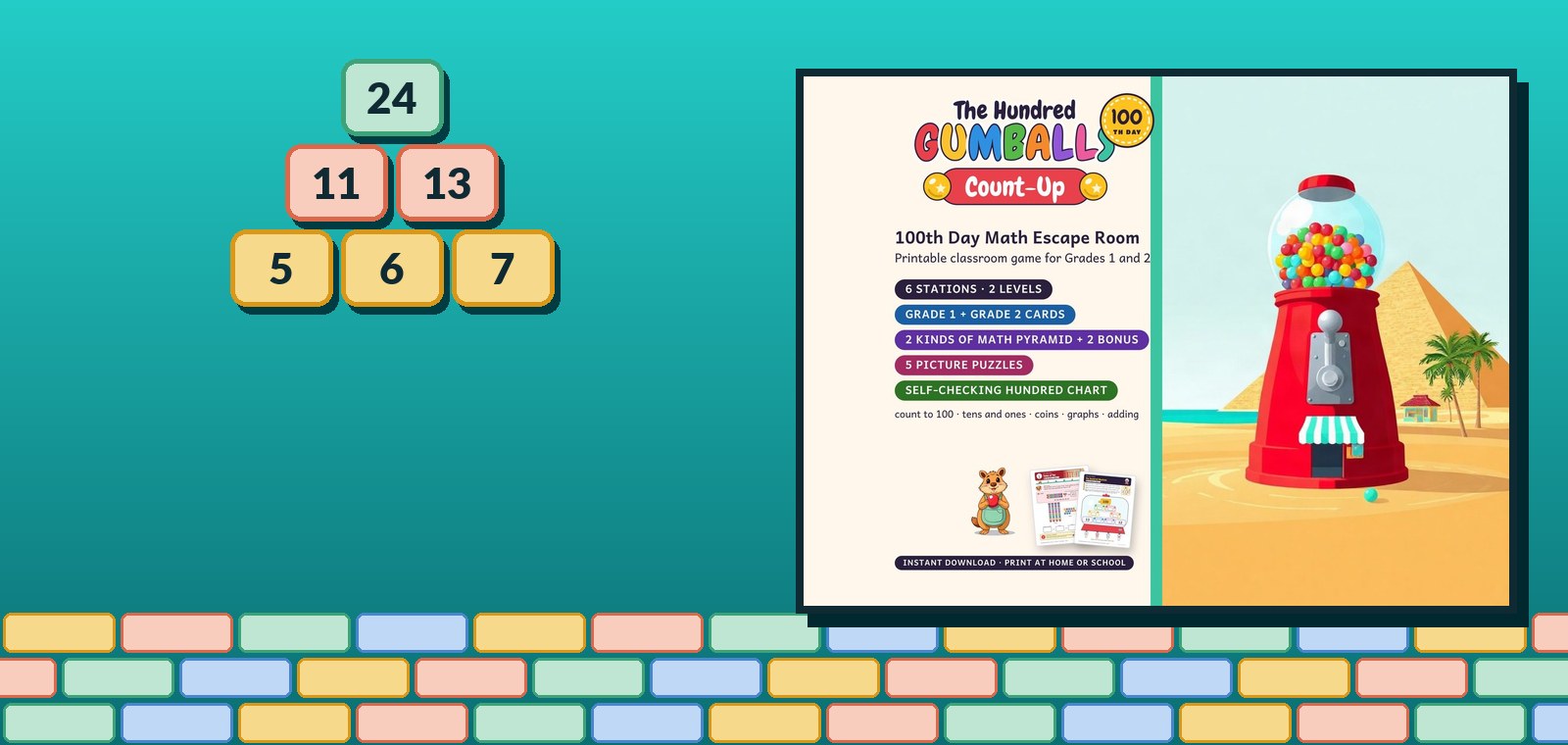
The Hundred Gumballs Count-Up: What It Can Do for Players
The Hundred Gumballs Count-Up (Grades 1 and 2): what is in it, what players can get out of it and how to run it.
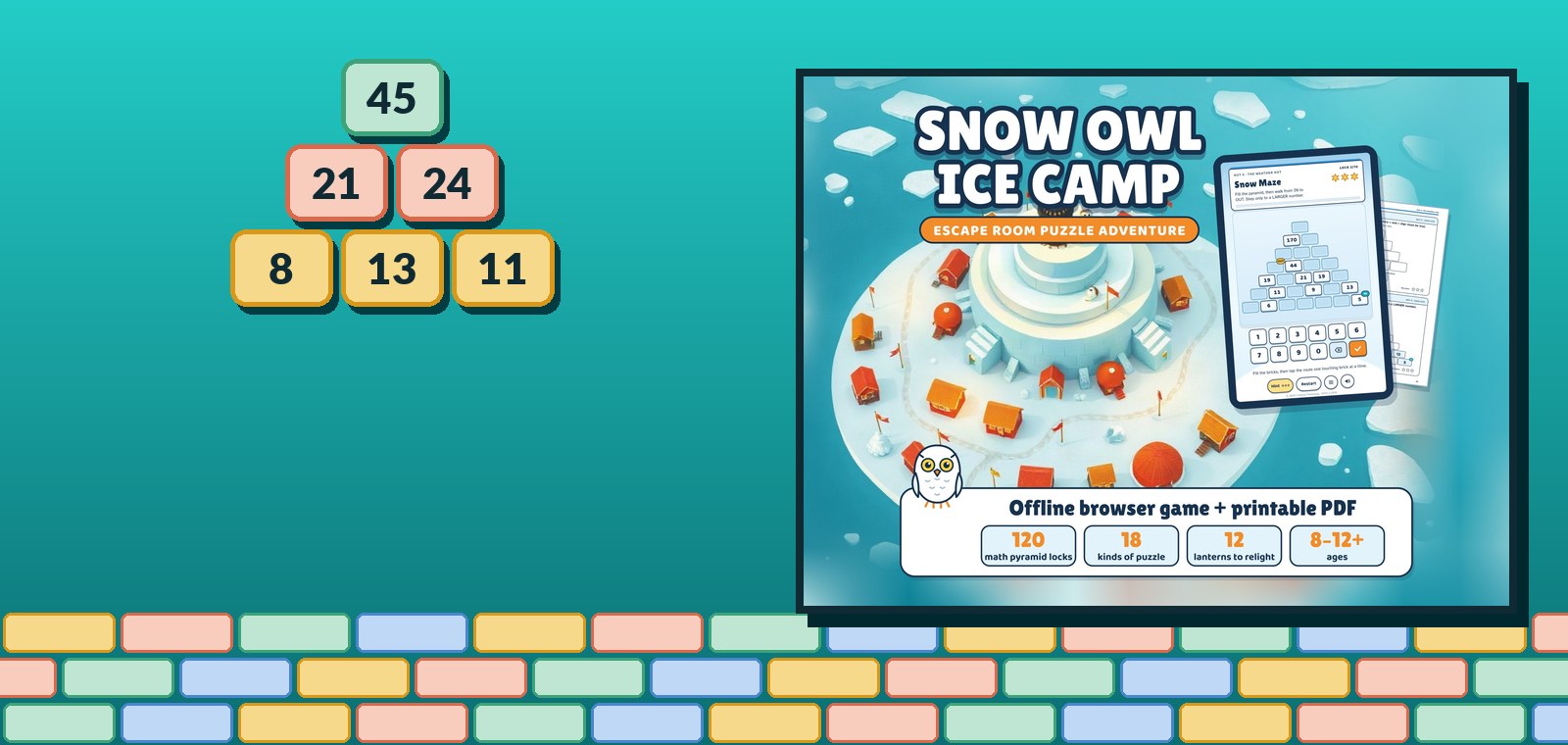
Snow Owl Ice Camp: A Math Game That Opens in Your Browser, Offline
230 number pyramids, twelve huts and twelve lanterns to relight, as an offline browser game plus a printable PDF. How it works, and what it needs.
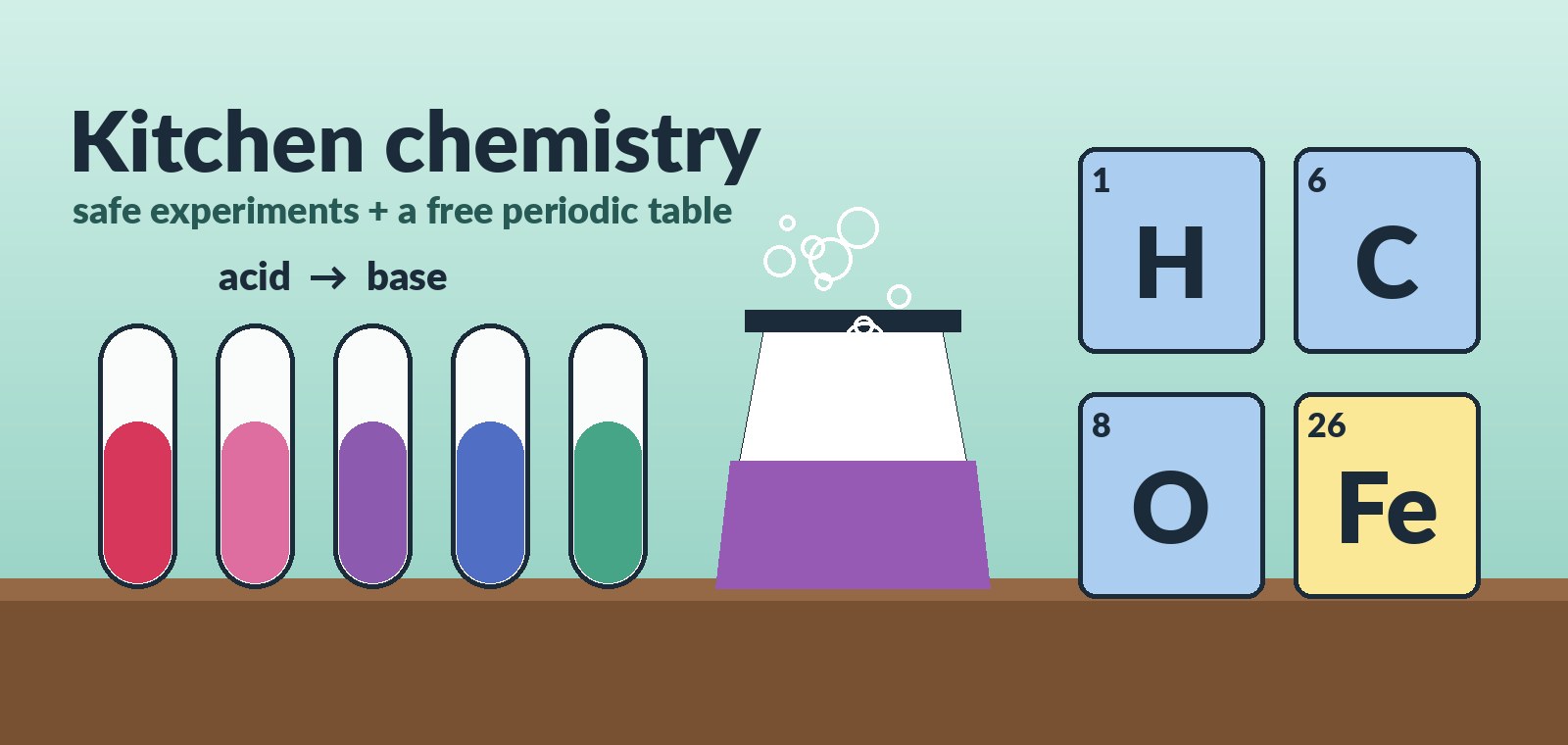
Kitchen Chemistry: A Free Periodic Table and Safe Experiments to Try at Home
A free color periodic table, 12 element spotlights and 12 kitchen experiments with safety notes. We walk through the red cabbage color test step by step.
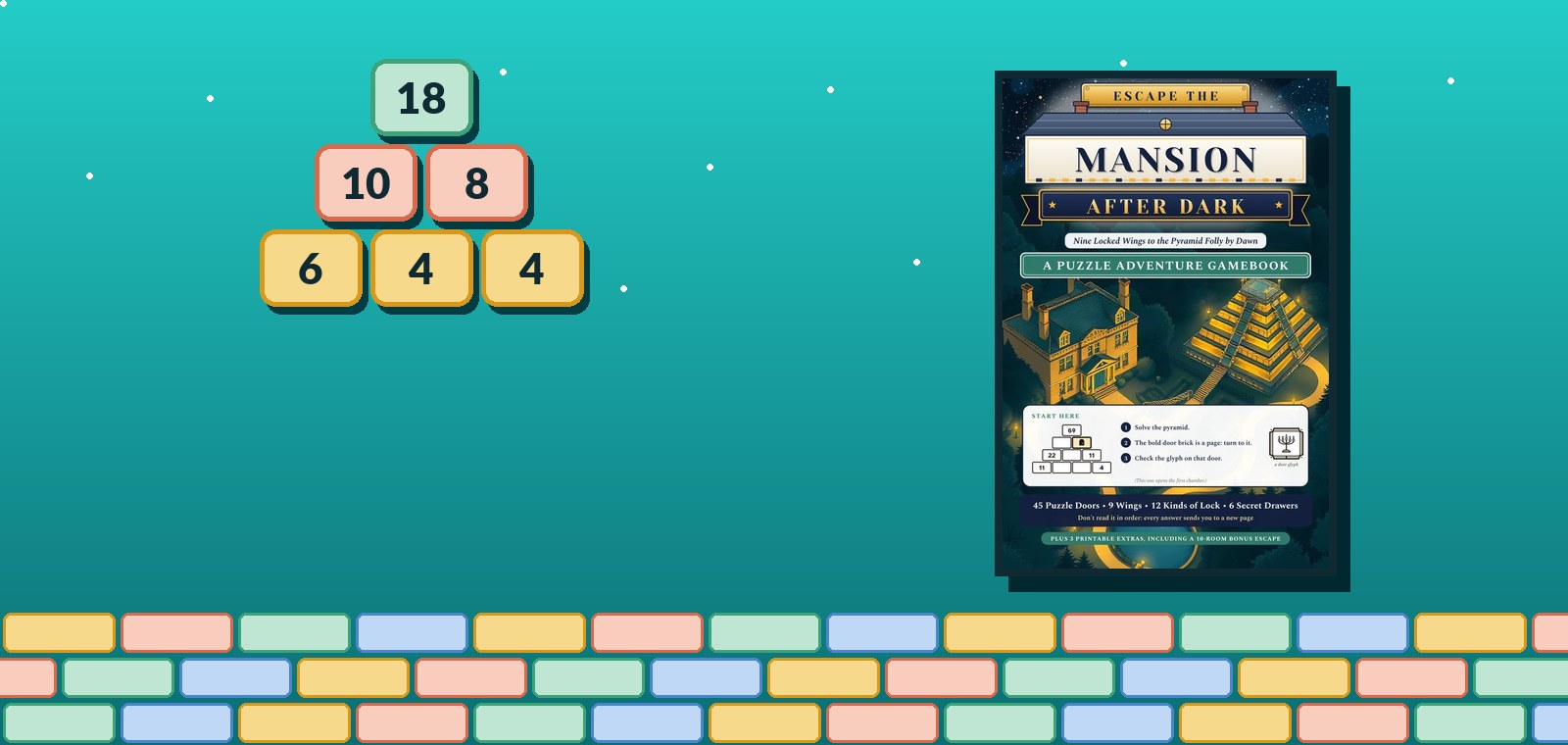
Escape the Mansion After Dark: The Story and a Look Inside
Escape the Mansion After Dark: the story, how a chamber plays and a look at a real page.
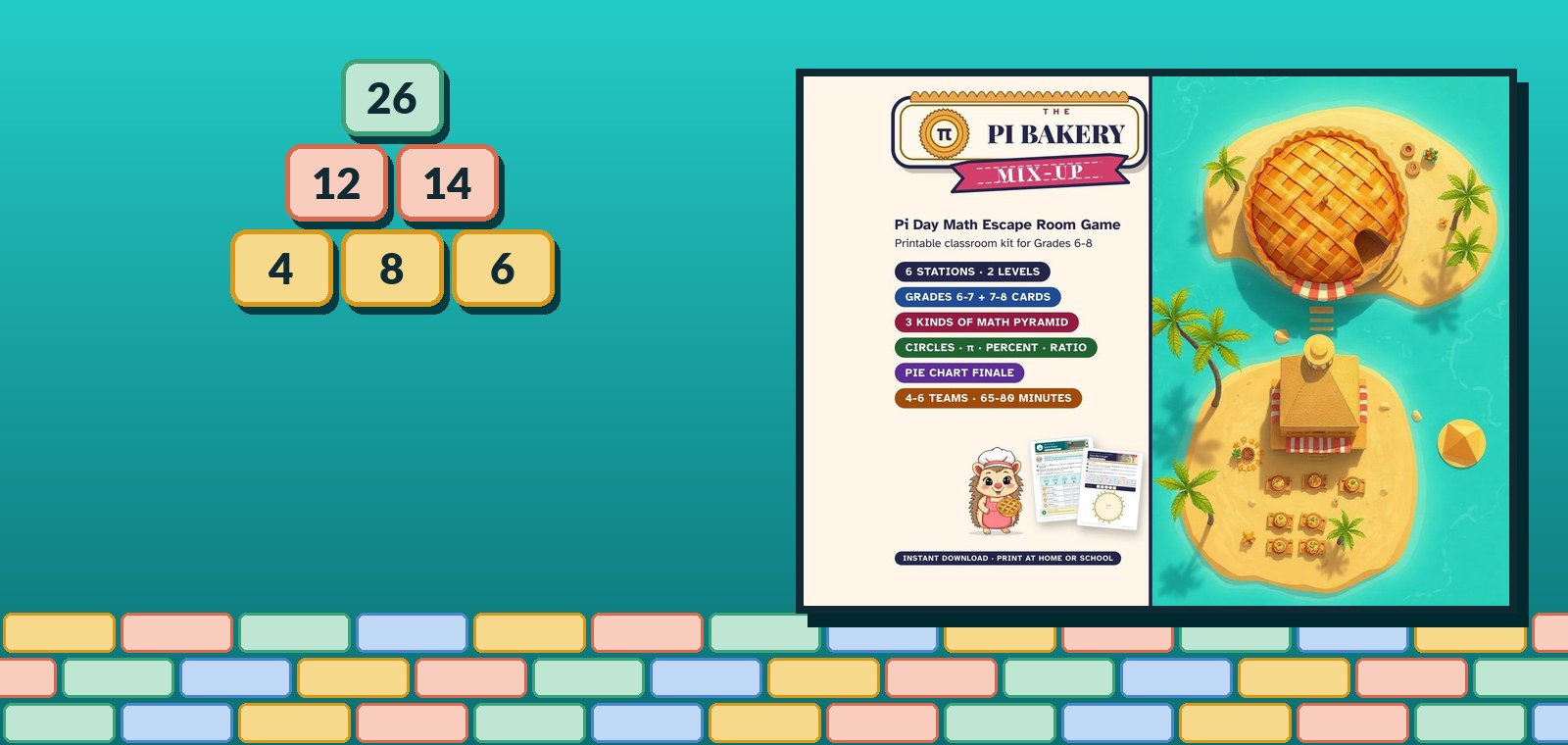
The Pi Bakery Mix-Up: What It Can Do for Players
The Pi Bakery Mix-Up (Grades 6 to 8): what is in it, what players can get out of it and how to run it.
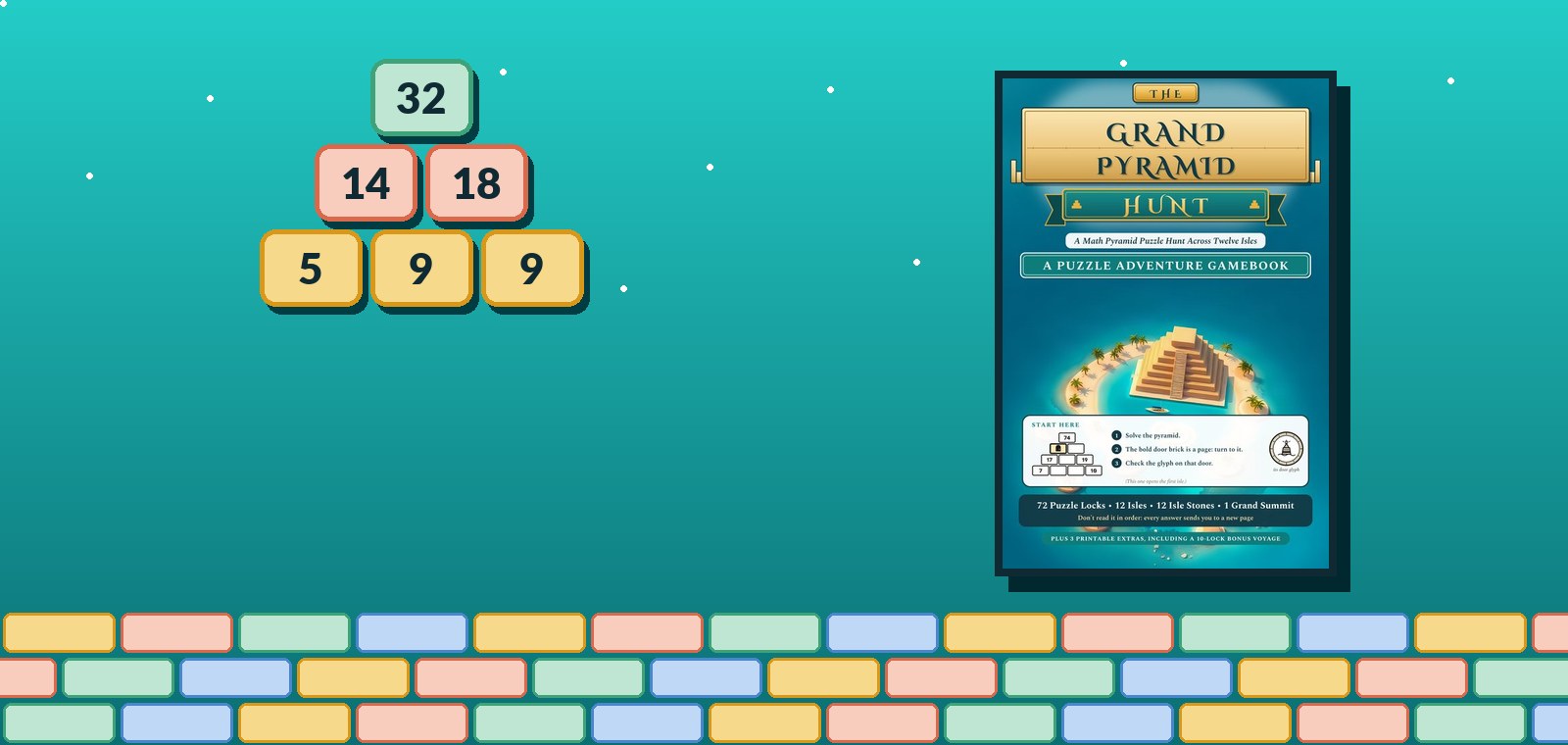
The Grand Pyramid Hunt: The Story and a Look Inside
The Grand Pyramid Hunt: the story, how a chamber plays and a look at a real page.
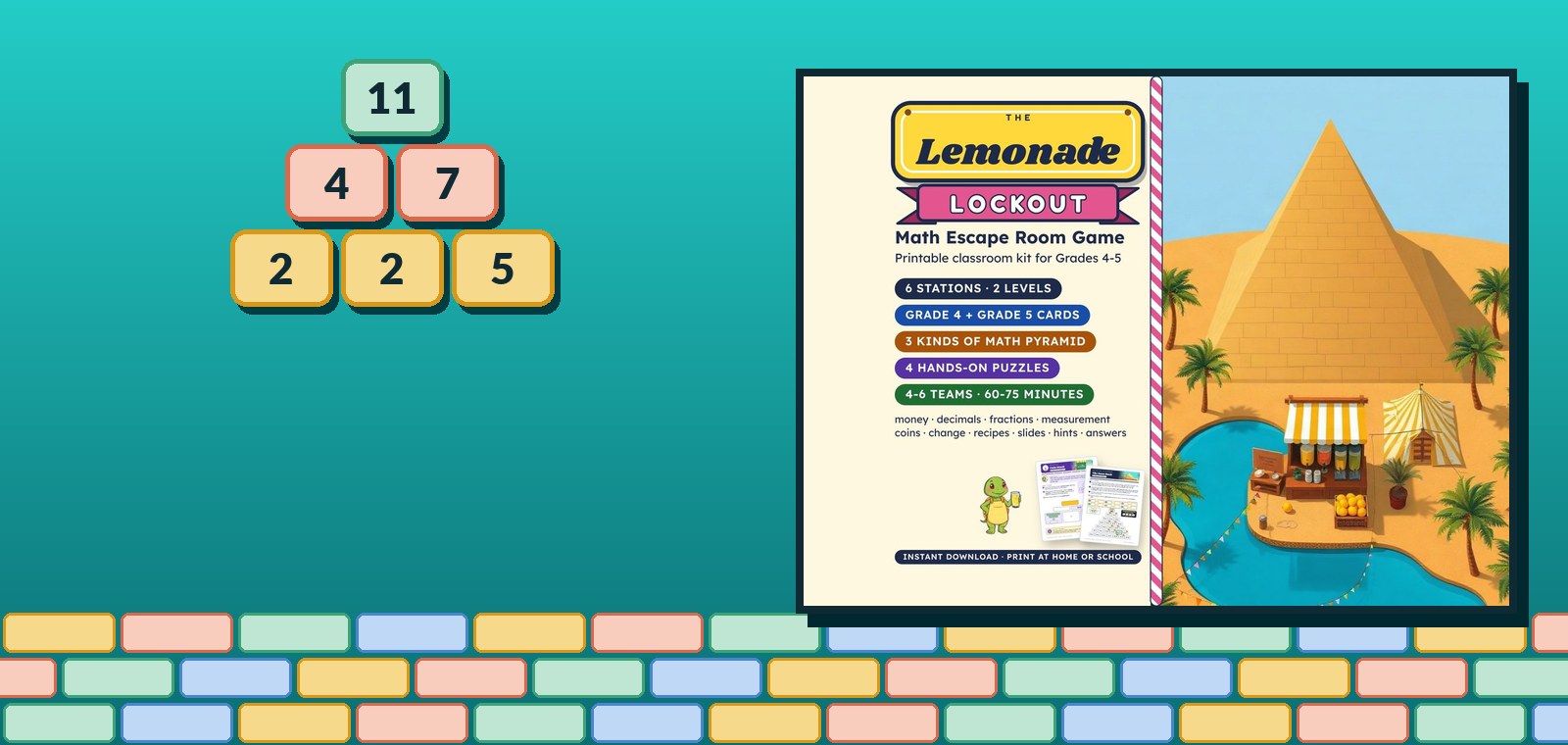
The Lemonade Lockout: What It Can Do for Players
The Lemonade Lockout (Grades 4 and 5): what is in it, what players can get out of it and how to run it.
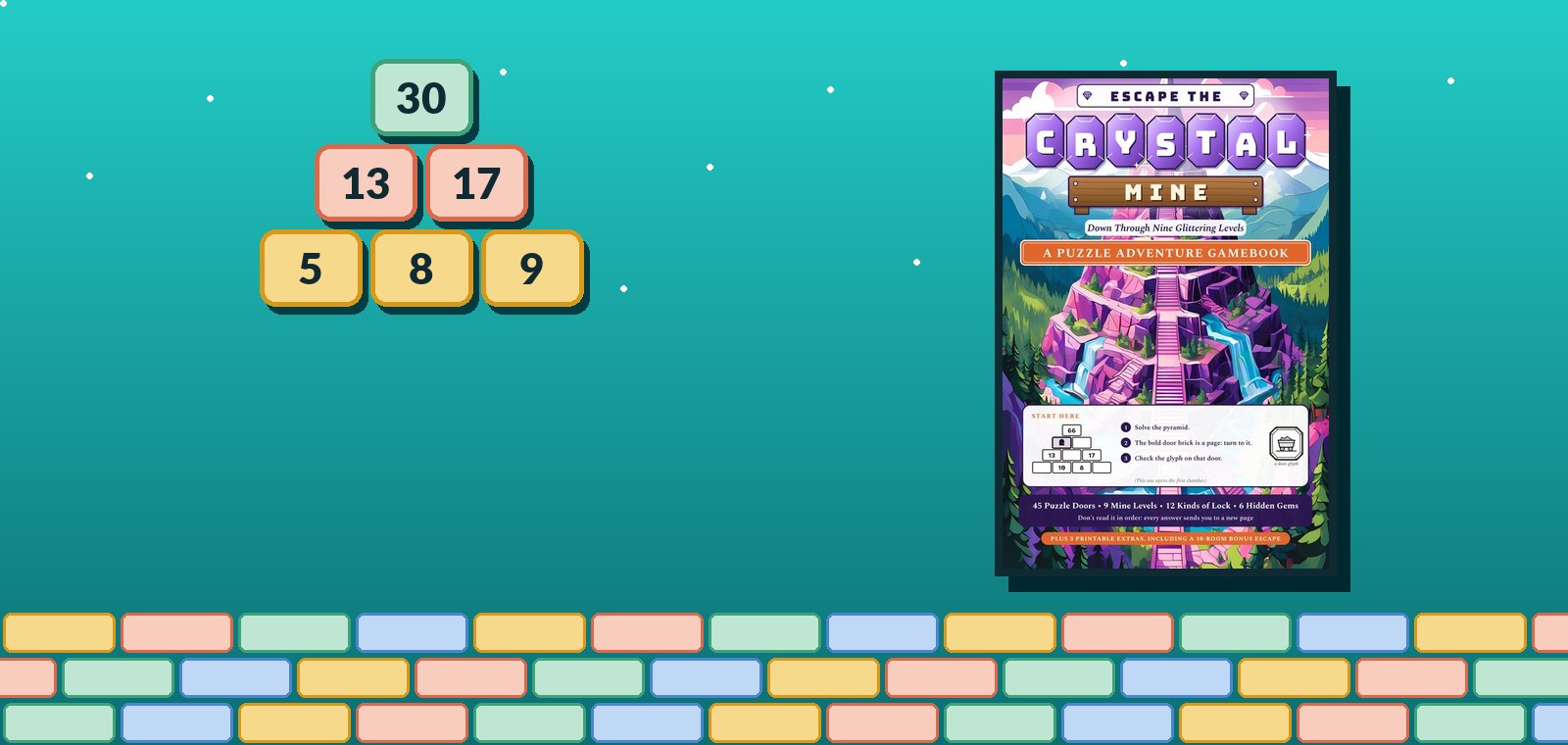
Crystal Clusters: A Lock That Only Tells You the Weight of the Group
Bricks that have grown together show only their combined weight. One cluster can give a hidden brick away, once you spot the shortcut.
Creouts Publishing
Puzzle books, printable games and, soon, games you can play here.
As an Amazon Associate we earn from qualifying purchases.
Amazon is a trademark of its owner. Creouts is not affiliated with Amazon.